
Side Dishes
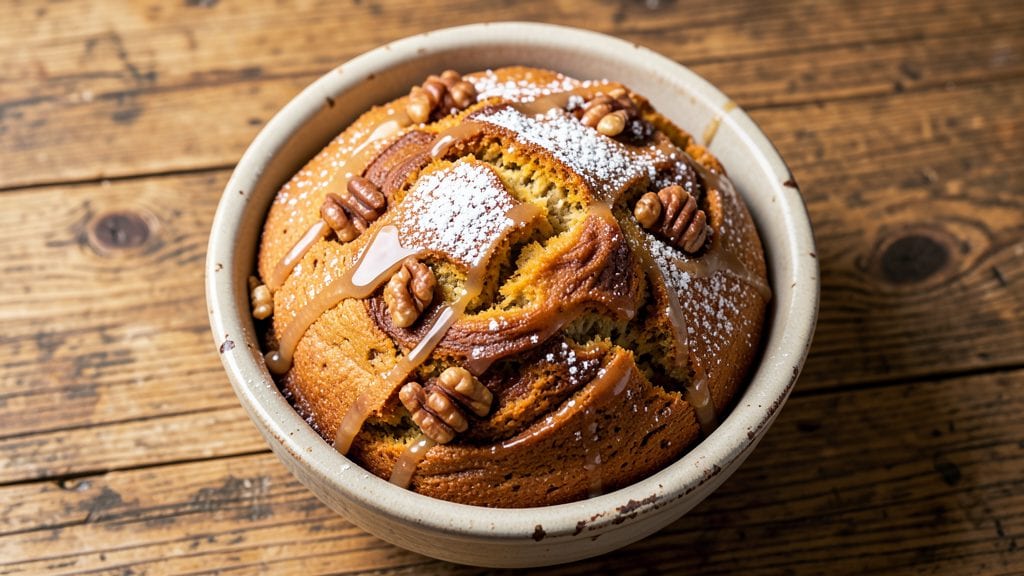
This pimpkin bread recipe delivers the perfect balance of spiced moistness and rich walnut swirls, topped with a velvety cream cheese glaze that makes every slice irresistible. The secret lies in precise ingredient ratios and a gentle baking approach that prevents dryness—something I perfected after testing countless variations. What sets this apart is the way warm cinnamon, nutmeg, and ginger meld with pumpkin puree to create a tender crumb that stays moist for days.
With a 50-60 minute bake time at 350°F, this recipe transforms simple pantry staples into a showstopping side dish or breakfast treat. The walnut swirl adds satisfying texture, while the cream cheese glaze ties everything together with its signature tangy sweetness.
Unlike many recipes that result in dense, dry bread, this method ensures a light yet substantial texture that disappears with each bite.
Each slice offers layers of flavor—spiced pumpkin at the heart, toasted walnuts for crunch, and glaze that drips with every forkful. The recipe scales perfectly for gatherings or meal prep, making it a reliable choice for holidays or everyday cravings. Here’s how to achieve that restaurant-quality moistness at home.
For extra indulgence, fold in chocolate chips or add a streusel topping. The key to success is measuring ingredients carefully and avoiding overmixing the batter. Trust the process, and you’ll end up with bread that’s worth every calorie of its rich, comforting goodness.
Ingredients for pimpkin bread
Twelve essential ingredients crafting moist spiced pumpkin bread with walnut swirls and velvety cream cheese glaze.
| Ingredient | Amount | Notes |
|---|---|---|
| Canned Pumpkin Puree 🎃 | 1 ½ cups | Unsweetened, 100% puree preferred |
| All-Purpose Flour 🌾 | 2 ½ cups | Sifted for even texture |
| Granulated Sugar 🍚 | 1 ½ cups | Light brown sugar for depth |
| Packed Light Brown Sugar 🍚 | ½ cup | For molasses richness |
| Unsalted Butter 🧈 | 1 cup | Softened to room temperature |
| Large Eggs 🥚 | 2 whole | Room temperature for blending |
| Pure Vanilla Extract 🌿 | 1 tbsp | Imitation-free preferred |
| Ground Cinnamon 🌶️ | 2 tsp | Freshly ground for aroma |
| Ground Nutmeg 🌿 | ½ tsp | Freshly grated preferred |
| Ground Ginger 🌶️ | 1 tsp | Freshly ground for warmth |
| Salt 🧂 | ½ tsp | Diamond Crystal kosher |
| Toasted Walnuts 🥜 | 1 ½ cups | Chopped medium-fine |
| Cream Cheese 🧀 | 8 oz | Room temperature for glaze |
| Powdered Sugar 🍚 | 1 cup | Sifted for smooth glaze |
| Heavy Cream 🥛 | ¼ cup | Cold for glaze stability |
The pumpkin puree must be 100% puree, unsweetened—no fillers or additives that compromise moisture. Libby's or Smart Balance brands excel in consistency, but any reputable canned pumpkin works. For walnuts, Costco's bulk section offers the best price per pound, and toasting them in a dry skillet until fragrant amplifies their nuttiness. The cream cheese should be full-fat (like Philadelphia) for the glaze to achieve that signature tangy richness. If substituting, ensure it's room temperature before mixing—cold cream cheese creates lumps that ruin the glaze's silky texture.
No pure vanilla extract? Double the amount of imitation—though the flavor won't be as complex. For nutmeg, freshly grated from a whole nut (available at Penzeys or specialty markets) delivers a depth that ground powder can't match. If you're avoiding gluten, swap the all-purpose flour for a 1:1 gluten-free blend (like Bob's Red Mill), but add an extra 0.5 tsp xanthan gum to mimic the structure. The heavy cream in the glaze can be replaced with Greek yogurt for a lighter version, though the texture will be slightly thicker. For a festive twist, fold in mini chocolate chips or chopped dried cranberries into the batter before baking.
Store the baked bread in an airtight container at room temperature for up to 3 days, though it's best enjoyed within 24 hours for peak moisture. The glaze hardens as it cools, so reheat slices in the microwave for 10-15 seconds to restore its velvety sheen. For longer storage, wrap individual slices in parchment paper and freeze for up to 3 months—thaw at room temperature before serving. The walnut swirls lose crunch when reheated, so enjoy them fresh from the oven whenever possible. If making ahead for gatherings, assemble the glaze separately and drizzle just before serving.
Why You'll Love This Recipe
- Pantry Magic: I swear by this recipe when I forget to grocery shop—just grab canned pumpkin, flour, and sugar. The brown sugar adds that caramel depth without extra effort, and the butter keeps it moist for days.
- Spiced Warmth: That blend of pumpkin and brown sugar? It’s like autumn in every bite. The butter makes it rich but not heavy, and honestly, the cinnamon (if you add it) turns this into pure comfort.
- Breakfast or Snack: Serve it toasted with butter for breakfast, or slice it for lunchbox treats. My kids grab it after school, and I sneak a piece at my desk—no judgment.
- Budget-Friendly Loaf: A single loaf costs me pennies but lasts forever. Freeze slices for quick toast, or use it to top yogurt when I’m too tired to bake. The pumpkin puree stretches the dough perfectly.
Step-by-step instructions for pumpkin bread with walnut swirls
Here's how to achieve that signature moist texture and perfect spice balance every time.
Prepare the Walnut Swirl Dough
In a small bowl, combine the 1.5 cups toasted walnuts with 1 tablespoon of the 2.5 cups all-purpose flour. This creates a textured contrast that prevents the walnuts from sinking to the bottom during baking. I like to pulse them briefly in a food processor for 3-4 seconds to create small clusters rather than a fine powder—this gives better texture distribution.
Set aside this mixture. The walnuts should be cool but not cold, as warm nuts release oils that can make the dough too greasy. If they're still warm, let them cool completely before mixing. This step is crucial for maintaining the bread's moistness while adding that satisfying crunch.
Cream Butter and Sugars for Maximum Moisture
In a stand mixer fitted with the paddle attachment, beat the 1 cup unsalted butter with the 1.5 cups granulated sugar and 0.5 cup packed light brown sugar on medium speed for 3-4 minutes. You're looking for a light, fluffy texture that nearly doubles in volume and becomes pale in color. This thorough creaming process incorporates air that will create a tender crumb and prevent dense, cakey results.
Here's the thing—don't rush this step. The butter should be completely smooth with no visible lumps. I press down on the mixture with a spatula occasionally to ensure all the sugar crystals are fully incorporated. This ensures even moisture distribution throughout the bread, which is key for that signature tender texture.
Combine Wet Ingredients and Fold in Dry Components
Add the 2 whole large eggs, one at a time, mixing on low speed after each addition until fully incorporated. Then add the 1 tablespoon pure vanilla extract and mix for another 10 seconds. The mixture should look slightly thickened but still smooth.
In a separate bowl, whisk together the remaining 2.5 cups all-purpose flour, 2 teaspoons ground cinnamon, 0.5 teaspoon ground nutmeg, 1 teaspoon ground ginger, and 0.5 teaspoon salt. With the mixer on low speed, gradually add the dry ingredients to the wet mixture, mixing just until combined. Be careful not to overmix—you should still see small flour streaks. This prevents developing too much gluten, which would make the bread dense rather than tender.
Finally, fold in the 1.5 cups canned pumpkin puree using a spatula. The pumpkin should be evenly distributed throughout the batter. At this stage, the dough will be thick and slightly sticky, which is normal. This rich pumpkin content is what guarantees that moist texture we're after.
Layer and Swirl for Visual Appeal
Transfer half of the prepared dough to a greased 9x5-inch loaf pan. I like to use a kitchen scale here for precision—this ensures even distribution of the walnut mixture. Sprinkle half of the walnut-flour mixture over the dough, then add the remaining dough on top. Finally, sprinkle the remaining walnut mixture over the top layer.
Using a rubber spatula, gently swirl the walnuts through the top layer of dough in a circular motion. This creates those beautiful marbled patterns while keeping the walnuts evenly distributed. Tap the pan gently on the counter 2-3 times to release any air bubbles. The dough should come up to about 2 inches below the top of the pan—this allows for proper rising without overflowing.
Bake and Glaze for Perfect Moisture
Preheat your oven to 350°F. Bake the bread for 50-60 minutes, or until a toothpick inserted into the center comes out clean. The top should be golden brown, and the internal temperature should reach 200°F. I check for doneness at the 50-minute mark—every oven varies, so don't rely solely on time.
While the bread bakes, prepare the glaze by beating the 8 ounces cream cheese with the 1 cup powdered sugar and 0.25 cup heavy cream until smooth. This should take about 2 minutes with an electric mixer. The glaze should be thick but spreadable—if it's too stiff, add 1 teaspoon of milk to loosen it.
Once the bread is done, let it cool in the pan for 10 minutes, then transfer to a wire rack. Immediately pour the glaze over the top and spread it evenly with an offset spatula. The bread will be warm and slightly soft when you do this, which helps the glaze adhere perfectly. Let the bread cool completely before slicing—this allows the glaze to set properly and prevents a gummy texture.
Pro Tips For Making Pimpkin Bread
- Mix the Pumpkin Last: Mix the canned pumpkin puree into the wet ingredients after combining the flour, sugars, and butter—but before adding any liquids. This keeps the flour from absorbing moisture too early, which can make your bread dense. I used to dump everything in at once, and my loaves always turned out heavy.
- Use Room-Temp Butter: Take the unsalted butter out of the fridge at least 30 minutes before mixing. Cold butter creates pockets of air in the dough, leading to uneven baking and a less tender crumb. Sounds like a small thing, but it’s the difference between a cakey loaf and one that’s light and moist.
- Skip Overmixing the Dough: Stop folding in the flour as soon as it’s just incorporated—no streaks, but don’t overwork it. Overmixing develops the gluten, which turns pumpkin bread into a tough, chewy brick instead of a tender, spiced loaf. I learned this after pulling apart a dense loaf and swearing off baking for a week.
- Bake at 350°F, Not Hotter: Pumpkin bread bakes best at a steady 350°F. Higher temps cause the sugars to caramelize too fast, burning the top before the center sets. I’ve ruined three batches by cranking the oven to 375°F—now I set the timer and walk away. Patience here guarantees a golden crust and a fully baked interior.
Troubleshooting perfect results
Dense or Dry Texture
If your bread turns out dense or dry, the most likely culprit is overmixing the batter. Once you've combined all ingredients, stop mixing as soon as you see just a few flour streaks remaining—overworking the dough develops gluten, which creates a tough, dense crumb.
I've found that using a stand mixer on low speed for just 30-45 seconds after adding dry ingredients prevents this issue entirely. 💡
Another common mistake is using too much flour. Measure carefully using the spoon-and-level method for accuracy. If your batter seems too thick, add 1 tablespoon pumpkin puree at a time until it reaches a thick but pourable consistency.
For extra moisture, consider replacing 2 tablespoons of the all-purpose flour with 2 tablespoons cornstarch—this creates a lighter texture without compromising structure.
Cracked Top or Uneven Rise
A cracked top often indicates the bread baked too quickly. To prevent this, place a small baking sheet on the lower oven rack 10 minutes before baking—this creates steam that helps the bread rise evenly.
I also recommend placing the loaf pan on the middle rack rather than the top, where heat is more intense. If you notice the top browning too quickly, tent the pan with aluminum foil after 30 minutes of baking.
For an uneven rise, your oven might not be properly calibrated. Test your oven's accuracy with an oven thermometer—many home ovens run 15-25°F hotter than their settings. If your bread rises unevenly, try reducing the temperature to 325°F and increasing the bake time by 10-15 minutes.
A water bath (placing the pan in a larger pan filled with 1 inch of hot water) can also help create a more even rise.
Glaze Too Thin or Too Thick
A glaze that's too thin will drip off the bread, while one that's too thick won't spread properly. The ideal consistency is thick but spreadable, similar to toothpaste. If your glaze is too stiff, add 1 teaspoon milk at a time until it reaches the right texture.
For extra stability, chill the glaze mixture in the fridge for 10-15 minutes before applying—this helps it set more quickly on the warm bread. 🧀
If your glaze separates or looks grainy, the cream cheese might not have been softened enough. Always use room-temperature cream cheese (about 65-70°F) and beat it for at least 2 minutes with an electric mixer. For a smoother finish, strain the glaze through a fine-mesh sieve before applying.
Pro tip: Brush the bread with a thin layer of apricot jam before adding the glaze—this creates a sticky surface that helps the glaze adhere better.
Walnut Swirls Sinking
Uneven walnut distribution happens when the dough isn't properly layered or when the walnuts are too heavy. To fix this, pulse the walnuts with 1 tablespoon flour in a food processor for 3-4 seconds—this creates small clusters that distribute more evenly.
When layering, use a spatula to gently press the walnut mixture into the dough rather than sprinkling it on top. I also recommend chilling the dough for 15 minutes before baking, which helps the layers stay in place during the rise.
If the walnuts still sink, try folding them into the top layer of dough only rather than both layers. For extra security, sprinkle a light dusting of flour over the walnuts before adding the final dough layer.
This creates a barrier that prevents them from sinking into the wetter batter below. Another trick: Use chopped pecans instead—their slightly larger size and different shape help them stay suspended better.
Bread Collapses After Baking
A collapsed loaf usually means the bread didn't bake long enough or the oven temperature wasn't consistent. First, verify your oven's accuracy with an infrared thermometer—many ovens have hot spots that can cause uneven baking.
If the center seems underdone but the top is browned, tent the pan with foil and return it to the oven for an additional 10-15 minutes. Always check for doneness with a toothpick—it should come out clean or with just a few moist crumbs.
For future bakes, try the "two-stage bake" method: Bake at 325°F for 40 minutes, then increase the temperature to 350°F for the final 10-20 minutes. This gradual approach helps the bread set properly without collapsing.
If your bread still collapses, it might be overproofed—reduce any future proofing time to 10-15 minutes maximum (this recipe doesn't require proofing, but if you let the dough sit too long before baking, it can lose structure).
Nutrition facts
Frequently asked questions
Can I make this pumpkin bread without walnuts?
Simply omit the walnut swirl entirely and use all 2.5 cups of flour for the batter. For extra texture, try adding 1 cup chopped pecans or ½ cup dried cranberries instead. The recipe will still yield a moist, flavorful loaf—just without the nutty crunch.
How do I store pumpkin bread to keep it fresh?
Wrap the cooled loaf tightly in plastic wrap or store it in an airtight container at room temperature for up to 3 days. For longer storage, freeze individual slices wrapped in parchment paper for up to 3 months. Thaw at room temperature—microwaving can make the glaze gummy. The walnut swirls stay crispest when eaten fresh from the oven!
Why did my pumpkin bread turn out dense?
Overmixing is the most common cause. Mix just until combined—stop when you see a few flour streaks remain. Also, ensure your butter and cream cheese are room temperature (not melted) and measure flour accurately using the spoon-and-level method. For extra moisture, replace 2 tbsp flour with 2 tbsp cornstarch.
Can I make this gluten-free?
Yes! Swap the all-purpose flour for a 1:1 gluten-free blend (like Bob's Red Mill) and add ½ tsp xanthan gum to maintain structure. Use the same measurements for other ingredients. Note that gluten-free versions may have a slightly denser texture—bake 5-10 minutes longer at 325°F to ensure doneness.
What's the best way to reheat sliced pumpkin bread?
For glaze restoration, microwave slices for 10-15 seconds on medium power. For even warmth, wrap slices in a damp paper towel and microwave for 8-10 seconds. Avoid ovens—they can dry out the bread. Pro tip: Brush reheated slices with a little milk to revive the glaze's shine!