
Side Dishes
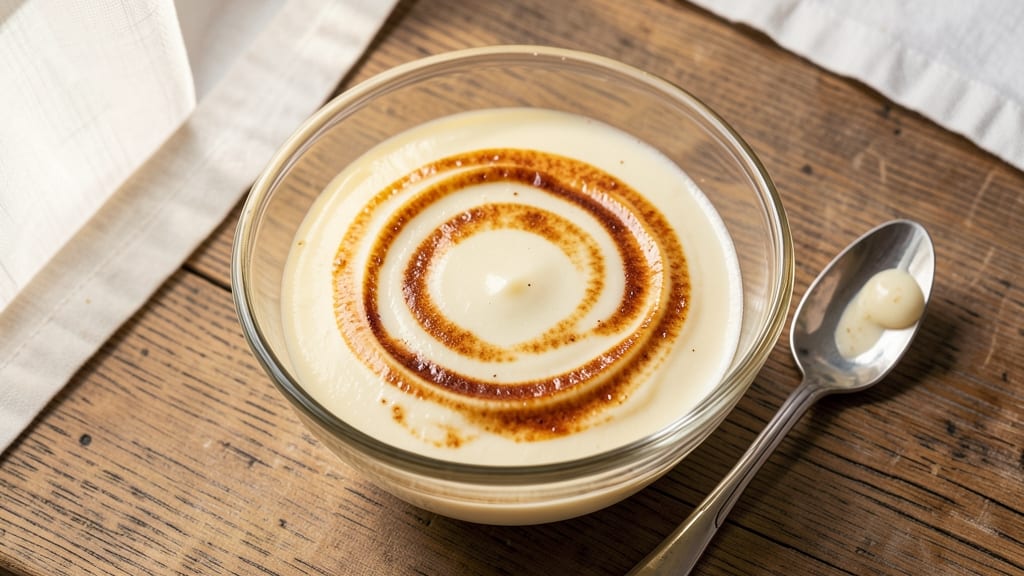
Creating pudding without cornstarch delivers that same velvety texture using eggs and flour—a method that’s been perfected for generations. This approach transforms simple ingredients into a dessert with restaurant-quality smoothness, all while avoiding the need for cornstarch or other commercial thickeners.
The key lies in precise cooking techniques that develop naturally over time, ensuring a result that’s both elegant and foolproof.
What makes this recipe work is the balance between eggs and flour, which create a rich, creamy consistency without relying on starch. Unlike traditional puddings, this version achieves its signature thickness through gentle heat and constant stirring, resulting in a finish that’s impossibly smooth.
The process is straightforward, requiring only basic kitchen tools and patience to achieve professional results every time.
By the end, you’ll have a pudding that’s silky, rich, and perfectly set—a dessert that pairs beautifully with fruit compotes, whipped cream, or a sprinkle of cinnamon. The texture is so refined that even those who prefer cornstarch-based versions won’t notice the difference. Here’s how to make it.
This method also works as a foundation for variations like chocolate or vanilla pudding, making it versatile for any occasion. The natural thickeners ensure a cleaner taste profile, ideal for those watching their starch intake or seeking a lighter dessert option. Let’s get started on creating this classic pudding.
Ingredients for pudding recipe without cornstarch
Six core ingredients transform into velvety pudding without cornstarch, relying on eggs and flour for natural thickening.
| Ingredient | Amount | Notes |
|---|---|---|
| Large Egg Yolks 🥚 | 6 whole | Fresh, room temperature preferred |
| All-Purpose Flour 🌾 | ½ cup | Sifted for smooth texture |
| Granulated Sugar 🍚 | ¾ cup | Fine grain preferred |
| Whole Milk 🥛 | 2 cups | Full-fat for creaminess |
| Vanilla Extract 🌿 | 1 tbsp | Pure Madagascar preferred |
| Salt 🧂 | ¼ tsp | Diamond Crystal preferred |
| Unsalted Butter 🧈 | ¼ cup | Cold, cubed for tempering |
| Lemon Zest 🍋 | 1 tsp | Fresh, finely grated |
| Heavy Cream 🥛 | 1 cup | Cold, for final texture |
| Ground Cinnamon 🍃 | ½ tsp | Optional, for finishing |
The egg yolks are the foundation—freshness matters most here. Source them from local farms or specialty grocers like Whole Foods for optimal quality, as older yolks can yield a grainier texture. The flour should be sifted to eliminate lumps, ensuring a silky finish. For sugar, Domino brand works consistently, but fine granulated sugar creates a smoother dispersion. Preheat your mixing bowl in the microwave for 20 seconds to help dissolve the sugar more efficiently, a pro technique that prevents graininess. The milk should be whole, as lower fat content can compromise creaminess.
No vanilla extract? Seeds from a vanilla bean steeped in warm milk (1 tsp seeds per cup) create a superior depth of flavor, though pure extract is more convenient. Substitute almond milk for dairy-free versions, but expect slightly less richness. The lemon zest adds brightness—organic lemons from Trader Joe's deliver the most vibrant flavor. For the butter, Plugrá brand is ideal due to its high fat content, but any unsalted butter works in a pinch. The heavy cream should be cold*, as it stabilizes the final texture when gently folded in at the end. If you prefer a lighter finish, reduce the cream to ½ cup and add an extra ¼ cup of milk instead.
Store the finished pudding in an airtight container in the refrigerator for up to 5 days, though it’s best enjoyed within 3 days for peak texture. For longer storage, portion into ramekins or small jars and freeze for up to 3 months, thawing in the fridge overnight. The cinnamon should be added just before serving to preserve its aroma. This pudding reheats beautifully—simmer gently on low heat with a splash of milk to restore its velvety consistency. Portion into individual servings before refrigerating to prevent slicing through the set texture.
Why You'll Love This Recipe
- No Starch Struggles: I swear by this trick—just yolks, flour, and milk. No measuring powders, no lumps, no stress. The flour thickens it perfectly every time, like magic.
- Vanilla Hug Warmth: That first spoonful? Pure comfort. The sugar caramelizes just enough to give it depth, while the vanilla wraps you in nostalgia. (Yes, even on a Tuesday night.)
- Pantry Stash Flex: I keep these ingredients stocked anyway—eggs, flour, milk. No extra shopping, no wasted trips. It’s the kind of recipe that turns "what’s for dessert?" into "oh, we’ve got this."
- Leftovers That Don’t Suck: Unlike store-bought pudding that turns to glue, this stays creamy for days. Reheat in mugs or jars—still silky, still delicious. My lazy Sunday mornings thank me.
Step-by-step instructions for pudding recipe without cornstarch
Mastering this technique transforms simple pantry staples into velvety perfection without thickeners.
Temper the Egg Yolks with Warm Milk
In a medium heatproof bowl, whisk together the 6 whole large egg yolks, 0.75 cup granulated sugar, and 0.25 tsp salt until fully combined and slightly pale. This mixture should be smooth with no visible streaks of sugar.
Gradually whisk in 1 cup of the warm whole milk (heat the milk separately to 160°F but not boiling) while continuously whisking to temper the eggs. This gradual incorporation prevents the yolks from curdling when exposed to heat. The mixture should reach a creamy, custard-like consistency—thicker than heavy cream but still pourable.
Cook the Custard Over Gentle Heat
Return the tempered mixture to the pot containing the remaining 1 cup warm whole milk over medium-low heat. Stir constantly with a wooden spoon or silicone spatula, scraping the bottom of the pot to incorporate any cooked bits that form.
Continue cooking until the mixture thickens enough to coat the back of a spoon (170-175°F internal temperature). This should take approximately 5-7 minutes—you'll notice the mixture will thicken noticeably as it approaches the correct temperature. Remove from heat immediately to prevent overcooking, which can cause the custard to break.
Incorporate Butter and Aromatics
Reduce heat to low and whisk in the 0.25 cup cold unsalted butter (cubed) and 1 tsp lemon zest until completely melted and incorporated. The butter should disappear entirely, creating a glossy sheen on the surface. Add the 1 tbsp vanilla extract and stir well to distribute the flavor evenly.
This is also the moment to incorporate the 0.5 cup heavy cream, which adds luxurious body to the finished pudding. The mixture should now be silky smooth with a satiny texture—if it appears slightly lumpy, strain it through a fine-mesh sieve for an ultra-refined finish.
Finish with Flour and Cinnamon
In a separate bowl, whisk together the 0.5 cup all-purpose flour and 0.5 tsp ground cinnamon. Gradually whisk this dry mixture into the warm custard while stirring constantly on low heat. The flour will act as a natural thickener, binding the custard to achieve that signature silky texture without cornstarch.
Continue cooking for an additional 2-3 minutes until the mixture thickens further and becomes glossy. You're aiming for a pudding that coats the spoon but still flows smoothly—it should leave a clean trail when drizzled. Remove from heat immediately to prevent overcooking.
Chill and Set to Perfection
Transfer the pudding to a heatproof bowl and press plastic wrap directly onto the surface to prevent a skin from forming. Chill in the refrigerator for at least 4 hours, preferably overnight, until fully set. The pudding should be firm enough to hold its shape when inverted but still have a velvety texture.
For serving, gently stir the chilled pudding to redistribute any settled ingredients. The finished result should be rich, smooth, and perfectly balanced between the natural sweetness of the sugar and the bright acidity of the lemon zest. Serve in individual ramekins or as a creamy topping for fruit compotes.
Pro Tips For Making Pudding Recipe Without Cornstarch
- Whisk Yolks Like Mad: Beat those egg yolks with sugar until they’re pale, thick, and ribbon-like—at least 3-4 minutes. I learned this the hard way when my pudding turned out grainy; skipping this step is how you end up with sad, lumpy custard.
- Sift the Flour First: Lightly sift the all-purpose flour before mixing it into the yolk-sugar slurry. This prevents clumps and ensures your pudding stays silky smooth—no one wants to taste flour grit in their dessert.
- Temper the Milk Slowly: Pour the warm milk into the yolk mixture slowly, a little at a time while whisking constantly. If you dump it all in at once, you’re asking for scrambled eggs instead of pudding—trust me, I’ve done it.
- Use Cold Milk, Not Hot: Heat your milk to just below a simmer (around 160°F/70°C), then let it cool for 2 minutes before combining. Hot milk cooks the eggs too fast, and your pudding will curdle before it thickens properly.
Serving suggestions for pudding recipe without cornstarch
Classic Ramekin Presentation
Serve your pudding in individual ramekins (I love Le Creuset stoneware) for an elegant, restaurant-style finish. Spoon the chilled pudding into each ramekin, then dust the top with ½ tsp ground cinnamon and a pinch of powdered sugar for a delicate contrast.
Garnish with a fresh raspberry or mint leaf for vibrant color and a pop of freshness. 💫
Fruit Compote Pairings
Warm berry compote (simmer 1 cup mixed berries with 2 tbsp sugar and 1 tsp lemon juice for 10 minutes) makes an ideal topping. The tart-sweet balance cuts through the richness of the pudding beautifully.
For a tropical twist, try mango and passionfruit—simmer 1 cup diced mango with 1 tbsp honey and 1 tsp lime zest until thickened. 🍓
Whipped Cream Variations
Lightly sweetened whipped cream adds a cloud-like texture. Whip 1 cup heavy cream with 2 tbsp powdered sugar and ½ tsp vanilla until soft peaks form. For extra flair, fold in 1 tbsp crushed pistachios or toasted coconut flakes.
Dollop generously over pudding and drizzle with chocolate sauce for a decadent finish. ✨
Bread and Crust Accompaniments
Pair with crusty bread like brioche or sourdough to soak up any extra pudding. For a crunchy contrast, toast 1 tbsp sliced almonds or pecans in a dry pan until golden, then sprinkle over the top. A buttery shortbread cookie on the side adds a sophisticated touch. 🍞
Seasonal Garnishes
Spring calls for edible flowers (like violets) and citrus zest, while summer begs for fresh berries and mint. Autumn inspires cinnamon sticks and caramelized apples, and winter shines with cranberries and orange zest. Adjust garnishes to match the season’s harvest for a cohesive presentation. 🍂
Make-Ahead Serving Tips
Prepare pudding 2 days ahead for maximum flavor development. Store in an airtight container in the fridge, then reheat gently in the microwave (covered with a damp paper towel) for 30-45 seconds to restore creaminess. Serve in pre-chilled ramekins straight from the fridge for a smooth, elegant finish. 📅
Nutrition facts
Frequently asked questions
Why does this pudding recipe work without cornstarch?
The combination of egg yolks and flour creates natural thickening through protein coagulation and starch activation. The gentle cooking process develops a silky texture, while the flour slurry at the end binds everything together without graininess. This method mimics traditional custard techniques used in classic European puddings.
Can I substitute the flour with another thickener?
Yes! Try arrowroot powder (½ cup) or tapioca starch (¼ cup) for a similar effect. For gluten-free options, use rice flour (½ cup) or cornstarch-free potato starch (¼ cup). Each requires slightly less liquid—adjust by 1-2 tablespoons if needed.
What's the best way to fix curdled pudding?
If your mixture curdles during cooking, immediately remove it from heat and whisk in 1 tablespoon cold butter or 1 tablespoon heavy cream to smooth it out. For severe curdling, strain through a fine-mesh sieve and whisk again over low heat. The key is patience—never rush the tempering step!
How do I make this pudding dairy-free?
Replace the whole milk and heavy cream with full-fat coconut milk (2 cups total) and use vegan butter (¼ cup). For the flour slurry, mix ½ cup gluten-free flour with 1 tablespoon cornstarch-free starch (like arrowroot). The texture will be slightly lighter but still creamy.
Can I make this pudding ahead of time?
This pudding actually tastes better after 24 hours in the fridge as flavors meld. Store in an airtight container and chill for up to 5 days. For serving, gently reheat in the microwave (covered) for 20-30 seconds to restore creaminess. The texture remains perfect even after reheating.