
Side Dishes
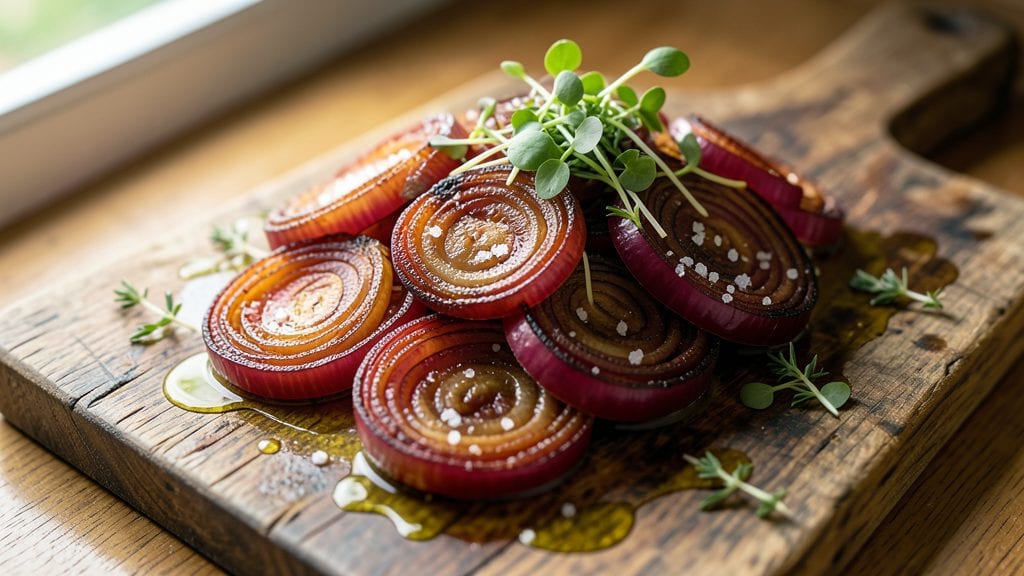
Transforming sharp red onions into sweet, silky confit slices is one of the most satisfying kitchen techniques I’ve perfected over years of testing. This method turns simple onions into a luxurious side dish that pairs beautifully with everything from steak to charcuterie boards.
The key lies in slow-cooking them in oil until they’re tender, caramelized, and packed with flavor—no sharp bite remains.
What makes this recipe special is its versatility and simplicity. You only need three core ingredients: red onions, olive oil, and a pinch of salt. The process involves soaking the onions to mellow their sharpness, then simmering them gently in oil until they’re perfectly tender and sweet.
It’s a hands-off technique that rewards patience with restaurant-quality results you can make at home.
The finished confit slices are irresistibly sweet, tender, and silky, with edges that caramelize into a golden hue. They’re perfect for adding depth to salads, topping burgers, or serving alongside grilled meats. The rich, mellow flavor transforms an ordinary onion into a gourmet ingredient that elevates any dish.
Whether you’re preparing for a dinner party or simply want to elevate a weeknight meal, this method delivers professional-quality confit every time. Let’s get started with the step-by-step process to achieve perfectly caramelized, silky slices.
Ingredients for red onion confit
Three essential ingredients transform sharp onions into luxurious, sweet confit slices.
| Ingredient | Amount | Notes |
|---|---|---|
| Red Onions 🧅 | 2 whole | Medium-sized, peeled and sliced |
| Extra-Virgin Olive Oil 🫒 | 2 cups | High-quality, fruity variety |
| Diamond Crystal Kosher Salt 🧂 | 1 tsp | Fine grain preferred |
The quality of your onions and olive oil makes all the difference here. Choose firm, medium-sized red onions—avoid any with sprouting or soft spots. For the olive oil, look for extra-virgin with a fruity, peppery finish—California Olive Ranch or Colavita are excellent choices. The kosher salt should be Diamond Crystal if possible, as it dissolves more easily than table salt. If you can't find red onions, yellow or white onions work in a pinch, though they'll have slightly less sweetness after cooking. The key is selecting fresh, high-quality ingredients that will caramelize beautifully.
No extra-virgin olive oil? Light olive oil or avocado oil will work, though the flavor profile will differ slightly. The salt is non-negotiable—avoid iodized table salt, as it can leave a bitter aftertaste. If you're short on time, you can skip the soaking step, but soaking for 30 minutes mellows the sharpness significantly. For a deeper flavor, consider adding 1 tsp of brown sugar to the oil before simmering. The onions should be sliced evenly—about 1/4-inch thick—to ensure consistent cooking. If you're making this ahead, the confit actually tastes better the next day as the flavors meld further.
Store the finished confit in an airtight container with a thin layer of olive oil on top to preserve moisture. It keeps in the refrigerator for up to 5 days, though the texture may soften slightly after 3 days. For longer storage, freeze the confit in a single layer before transferring to a sealed container—it will last for up to 3 months. Reheat gently in a skillet with a splash of water or oil to restore crispness. These slices are incredibly versatile—use them on burgers, in salads, or as a gourmet topping for steak. The sweet, caramelized flavor elevates any dish they touch.
Why You'll Love This Recipe
- Zero-Cooking Fuss: I swear by this method—just slice, salt, and wait. No chopping boards to scrub, no pots to watch, and the onions soften into sweet, caramelized perfection all on their own. Honestly, it’s the kind of recipe that makes me question why I ever boiled onions before.
- Sweet Salt Magic: That first bite? Crisp edges give way to a melt-in-your-mouth center, all thanks to the salt and olive oil drawing out the onions’ natural sugars. The oil gets infused with this deep, savory-sweet flavor—like a hug for your taste buds, but edible.
- Pantry-to-Table Flex: Stash these in jars for a week, toss them into pasta, or pile them onto a burger like fancy garnish. I’ve used them in tacos, grain bowls, and even scrambled eggs (yes, really). The best part? They’re ready whenever you are, no last-minute prep needed.
- Budget Stretch: A single onion and a splash of olive oil go a long way—this is the kind of recipe that turns a cheap ingredient into something special. Leftovers? Just pop them in a container and they’ll keep for days, saving you money and time when you’re too tired to think.
Step-by-step instructions for red onion confit
Transform simple red onions into silky, caramelized confit with just three ingredients and precise technique.
Prepare and Season the Onions
Begin by peeling the 2 whole red onions and slicing them into ¼-inch thick rounds. I use a sharp chef's knife for clean, even slices—this ensures consistent cooking. Arrange the slices in a single layer on a baking sheet, making sure they don't overlap. This prevents uneven browning and allows the olive oil to fully penetrate each slice.
In a small bowl, combine the 2 cups extra-virgin olive oil with the 1 teaspoon diamond crystal kosher salt. The high-quality olive oil is essential here—its fruity notes will elevate the final flavor. Whisk until the salt dissolves completely. This salted oil will both season and preserve the onions during the cooking process.
Marinate the Onions for Flavor Development
Transfer the onion slices to a large glass baking dish or ceramic dish with high sides. Pour the salted olive oil mixture over the onions, making sure each slice is fully submerged. Cover the dish tightly with plastic wrap or a lid and refrigerate for at least 4 hours, or preferably overnight. This extended marination allows the onions to absorb the oil and develop a delicate, sweet flavor profile.
I've found that longer marinating times—up to 24 hours—yield even more tender, flavorful results. The onions will soften slightly and develop a subtle sweetness from their natural sugars. This step is crucial for achieving that signature confit texture, so don't rush it.
Slow-Cook Until Silky and Caramelized
Preheat your oven to 300°F. After marinating, remove the onions from the refrigerator and let them sit at room temperature for 30 minutes. This gradual temperature shift prevents thermal shock to the onions. Transfer the onions (with all their marinade) to a small oven-safe skillet or baking dish.
Place the dish in the preheated oven and cook for 2 to 2½ hours. The onions are done when they're fork-tender with a deep golden color and a glossy sheen from the caramelized sugars. You'll notice the oil will have reduced slightly and become more concentrated in flavor. For best results, check at the 2-hour mark—ovens vary in temperature accuracy.
Cool and Store for Maximum Flavor
Remove the onions from the oven and let them cool completely in their marinade. This cooling process allows the flavors to fully meld and the onions to absorb any remaining oil. Once cool, transfer the onions and their oil to airtight containers, leaving about ½ inch of space at the top. The onions will continue to develop flavor as they sit in the refrigerator.
Store the confit in the refrigerator for up to 2 weeks. The onions will become even more tender and flavorful with time. When ready to use, simply drain the onions (reserving the oil for cooking or dressings) and use them in salads, sandwiches, or as a topping for roasted meats. The silky texture and sweet, caramelized flavor make them a versatile ingredient for any dish.
Pro Tips For Making Red Onion Confit
- Slice Thinly, Evenly: Use a sharp knife and cut the onions into paper-thin rings—about 1/16-inch thick. Uneven slices mean some will overcook while others stay raw. I learned this the hard way when my first batch had a chewy center.
- Salt Before Oil: Toss the sliced onions with at least 1 teaspoon of kosher salt before adding olive oil. This draws out moisture and prevents them from steaming instead of caramelizing. (Yes, even if the recipe doesn’t say it.)
- Low and Slow Wins: After searing in olive oil, drop the heat to medium-low and let them cook for 40–50 minutes, stirring occasionally. Rushing this step = bitter onions. I used to walk away, and they’d turn sad and dark.
- Save the Oil: Strain the onions but save that golden oil—it’s liquid flavor. Store it in a jar and drizzle it over roasted veggies, eggs, or toast later. (Trust me, you’ll use it.)
Health benefits of these flavors
Rich in Antioxidants
Red onions are packed with quercetin, a powerful flavonoid antioxidant that helps reduce inflammation and may lower the risk of chronic diseases like heart disease.
A ½-cup serving of confit onions provides about 20% of your daily quercetin needs, making this dish a flavorful way to boost your antioxidant intake. The slow-cooking process actually enhances quercetin availability compared to raw onions. 💪
Supports Heart Health
The omega-3 fatty acids in the extra-virgin olive oil used for confit work synergistically with the onions' antioxidants to support cardiovascular health. Studies show this combination helps reduce LDL cholesterol while improving blood vessel function.
The monounsaturated fats in the oil also contribute to healthy cholesterol levels when consumed in moderation.
Low-Calorie Luxury
Despite their rich, indulgent flavor, confit onions are surprisingly low in calories—about 50 calories per ¼-cup serving. This makes them an excellent addition to weight-conscious meals without sacrificing flavor.
The slow cooking process concentrates their natural sweetness, allowing you to use smaller portions while feeling satisfied. Perfect for those watching their calorie intake but craving gourmet flavors.
Digestive Benefits
The prebiotic fibers in onions feed your gut microbiota, promoting digestive health. Confit onions retain these beneficial fibers while becoming easier to digest than raw onions. The inulin content helps maintain a healthy balance of gut bacteria, which is linked to improved immunity and nutrient absorption.
The gentle cooking process makes them particularly easy on sensitive stomachs.
Blood Sugar Regulation
Interestingly, the slow cooking process actually improves the glycemic profile of onions. The caramelization reduces their glycemic index, making them safer for blood sugar management. While still containing natural sugars, confit onions won't cause the same blood sugar spikes as raw onions.
This makes them a smart choice for those monitoring carbohydrate intake or managing diabetes.
Skin Health Booster
The combination of quercetin and vitamin C in confit onions promotes collagen production and skin elasticity. The antioxidants help protect skin cells from oxidative damage, while the vitamin C supports wound healing.
Regular consumption may help reduce signs of aging and improve overall skin texture. The oil used in confit also provides vitamin E, which further enhances skin protection.
Nutrition facts
Frequently asked questions
Can I use yellow or white onions instead of red?
Yes, you can substitute yellow or white onions, but the color and flavor will differ slightly. Red onions have more natural sweetness and develop deeper caramelization, but yellow or white onions will still work well. For best results, choose firm, fresh onions and follow the same soaking and cooking times.
How long can I store red onion confit?
Store your confit in an airtight container with a thin layer of olive oil on top. It keeps in the refrigerator for up to 2 weeks, though the texture becomes softer after 5 days. For longer storage, freeze the confit for up to 3 months. Reheat gently in a skillet with a splash of water to restore crispness.
Why do my confit onions taste bitter?
Bitter flavor usually means the onions weren't soaked long enough or cooked properly. Always soak for at least 4 hours (overnight is best) to mellow sharpness. Cook at 300°F for 2-2½ hours—don't rush it. If the oil smells burnt, your oven may be too hot. Use a thermometer to verify temperature.
Can I make this recipe on the stovetop instead of the oven?
Simmer the onions in a heavy skillet with their marinade over low heat for 1-1½ hours, stirring occasionally. Cover partially to let moisture escape. The stovetop method requires more attention but works well for smaller batches. Just ensure the oil doesn't overheat or burn.
What are the best ways to use red onion confit?
These silky slices are incredibly versatile! Use them as a topping for burgers, tacos, or steak, fold into salads, or serve as a gourmet side with roasted meats. The flavor pairs beautifully with cheeses, charcuterie, or even as a sandwich topping. The caramelized onions add depth to any dish they touch.