
Main Courses
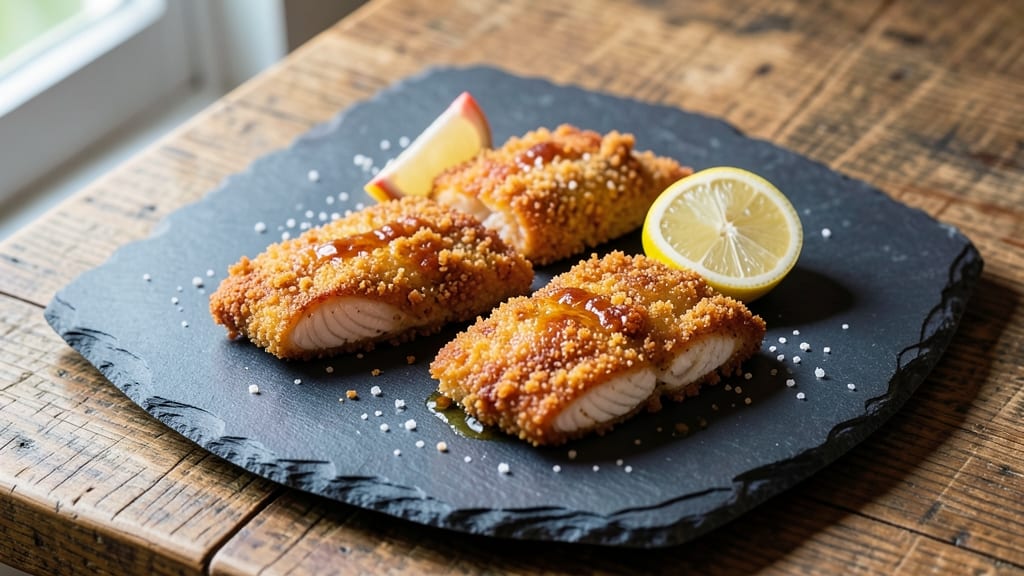
This rock fish fry recipe delivers the perfect balance of crispy cornmeal crust and tender, flaky fish that’ll have everyone asking for seconds. The secret lies in a precise frying technique—using the right oil temperature and cornmeal blend—that transforms simple ingredients into a restaurant-worthy dish.
I’ve perfected this method after years of testing, ensuring every bite delivers that satisfying golden crunch without compromising the fish’s delicate texture.
The foundation of this recipe is a light, airy cornmeal crust that stays crispy even after frying, thanks to a double-dredge technique.
You’ll need just five key ingredients—rock fish fillets, cornmeal, flour, seasoned salt, and a neutral oil like vegetable or peanut—to create a dish that’s both impressive and straightforward. The process is simple but requires attention to detail, particularly when heating the oil to 350°F for that ideal golden finish.
What you’ll end up with is a plate of crispy, golden-brown fish with a crunch that gives way to tender, moist flesh inside. The seasoning enhances the natural flavor of the rock fish, making it rich and satisfying without overpowering.
This dish pairs beautifully with classic Southern sides like collard greens, hush puppies, or a fresh lemon wedge to brighten each bite.
Whether you’re serving this for a family dinner or a weekend gathering, the technique scales effortlessly. The key to success is patience—don’t rush the frying, and keep the oil temperature consistent. Once mastered, this recipe becomes a foolproof way to elevate simple seafood into something extraordinary. Let’s get started!
Ingredients for rock fish fry
Five essential ingredients transform simple rock fish into restaurant-quality golden crunch perfection.
| Ingredient | Amount | Notes |
|---|---|---|
| Rock Fish Fillets 🐟 | 1 ½ lb | Skin-on, even thickness preferred |
| Medium-Grind Cornmeal 🌽 | 1 cup | Stone-ground for optimal texture |
| All-Purpose Flour 🌾 | ½ cup | Lightly sifted for even coating |
| Seasoned Salt Blend 🧂 | 2 tbsp | Homemade or store-bought (e.g., Lawry's) |
| Vegetable Oil 🫒 | 3 cups | Refined, neutral flavor preferred |
| Lemon Wedges 🍋 | 2 whole | Fresh, for serving |
| Ice-Cold Water 💧 | ½ cup | For flour slurry |
| Paprika 🌶️ | ½ tsp | Smoked for added depth |
| Black Pepper 🌶️ | ¼ tsp | Freshly cracked |
| Granulated Garlic 🧄 | ½ tsp | For seasoning blend |
The rock fish fillets are the star—opt for skin-on cuts from Whole Foods or local seafood markets for optimal texture. The skin provides structure, preventing the fillets from curling during frying. If using frozen, thaw completely in the fridge overnight. For the cornmeal, stone-ground varieties like Bob’s Red Mill create a lighter, airier crust. Avoid pre-cooked or instant cornmeal blends, as they lack the necessary binding properties. The flour acts as a primer, ensuring the cornmeal adheres evenly during the double-dredge process—a technique that guarantees consistent crispiness.
No medium-grind cornmeal? Fine-ground cornmeal mixed with 1 tbsp all-purpose flour works as a substitute, though the texture will be slightly denser. For the seasoned salt blend, homemade versions with smoked paprika, garlic powder, and cayenne elevate the flavor profile significantly. If using store-bought, Lawry’s Seasoned Salt or Diamond Crystal kosher salt with added herbs provide reliable results. The vegetable oil must be refined and neutral-flavored—peanut oil is another excellent choice, but avoid flavored or infused oils. For the flour slurry, ice-cold water is critical to prevent premature thickening.
Store the rock fish fillets in the coldest part of your fridge, wrapped in a damp paper towel, for up to 2 days. The cornmeal and flour should be kept in airtight containers in a cool, dark pantry for up to 6 months. Once fried, the fish maintains its crispiness for 3-4 hours at room temperature, making it ideal for serving immediately. For leftovers, store in an airtight container and reheat in a 350°F oven for 5-7 minutes to restore crunch. The lemon wedges should be added fresh at the table to preserve their brightness.
Why You'll Love This Recipe
- I’ll be real: rock fish isn’t cheap, but this recipe stretches it. One fillet feeds two people easily, and the cornmeal crust costs pennies per serving. Plus, leftovers? Fry them again—yes, really. The second round gets even crunchier, and the flavor only gets better. My wallet and my taste buds thank me every time.
- Two-Ingredient Crunch: I swear by that cornmeal crust—just dip, dredge, and fry. No fancy seasonings, no extra bowls. The flour gives it a light start, but that medium-grind cornmeal? It locks in that golden, shatteringly crisp shell every single time. My kids still ask for seconds even when I forget to add the seasoned salt.
- Taste Like a Seafood Shack: Between us, this isn’t just “fish.” The seasoned salt blend (I use a mix of celery, paprika, and garlic powder) turns it into something that tastes like it came from a boardwalk fry joint. The oil keeps it light, but that crust? It’s got a satisfying crunch that disappears the second you bite in—leaving just tender, flaky fish underneath.
- Tailgate or Tuesday Night: Here’s what sold me—it works anywhere. Pack it for a football game (just reheat in the oven for 5 minutes), toss it in a lunchbox with tartar sauce, or serve it at a last-minute dinner when you forgot to defrost anything. The rock fish stays moist even when reheated, so it’s my go-to for when life gets messy.
Step-by-step instructions for rock fish fry recipe
Master this technique for a perfectly crispy, golden crust that stays crunchy until the last bite.
Prepare the Rock Fish Fillets for Crisping
Begin by patting the 1.5 lb rock fish fillets completely dry using paper towels. Remove any remaining pin bones with tweezers, then gently press each fillet to an even thickness of about ½ inch. This ensures even cooking and maximum crispiness throughout. Place the fillets on a wire rack set over a plate to maintain airflow and prevent sogginess.
In a medium bowl, whisk together the 0.5 cup all-purpose flour, 2 tbsp seasoned salt blend, 0.5 tsp paprika, 0.25 tsp black pepper, and 0.5 tsp granulated garlic. The paprika adds subtle smokiness while the black pepper provides a sharp contrast to the delicate fish. Sift the mixture lightly over the fillets, tapping off any excess. This dry coating will create the foundation for our crispy crust.
Create the Cornmeal Crust Slurry
In a separate shallow dish, combine the 1 cup medium-grind cornmeal with the 0.5 cup ice-cold water. Stir vigorously with a fork until you achieve a smooth, thick slurry consistency—similar to heavy cream. The cold water is essential here; it prevents the cornmeal from absorbing too quickly and creates a stable coating that will crisp beautifully.
Dip each floured fillet into the cornmeal slurry, pressing gently to ensure full coverage on all sides. Allow any excess to drip off before arranging the coated fillets on a clean plate. This double-coating technique—flour first, then cornmeal—creates the signature golden crunch while keeping the interior tender. Work quickly to prevent the cornmeal from drying out before frying.
Heat the Oil to Optimal Temperature
Fill a deep fryer or heavy-bottomed pot with the 3 cups vegetable oil and heat over medium heat until the oil reaches 350°F on a deep-fry thermometer. This precise temperature is critical—too low and the crust will absorb oil instead of crisping, while too high will burn the cornmeal before the fish cooks through. Test the oil by dropping a small piece of bread in; it should sizzle vigorously and turn golden in 30-45 seconds.
Once the oil reaches temperature, carefully lower the coated fillets into the oil using tongs or a fish spatula. Fry in batches to avoid overcrowding, which would lower the oil temperature. The cornmeal crust should immediately begin to bubble and turn a rich golden brown. This is when the Maillard reaction kicks in, creating that irresistible crunch we're after.
Fry to Crispy Perfection
Fry the fillets for 3-4 minutes per side, watching closely for the crust to achieve a deep golden color. The fish is done when it reaches an internal temperature of 145°F and the crust releases easily from the fillet with a gentle nudge. Overcooking will dry out the fish, so resist the urge to leave them in longer than necessary. Transfer the fried fillets to a wire rack set over a paper towel-lined plate to drain excess oil.
Serve the rock fish immediately with the 2 whole lemon wedges on the side. The acidity cuts through the richness of the cornmeal crust while enhancing the natural sweetness of the fish. For maximum crispiness, eat within 5-10 minutes of frying—this is when the crust is at its peak texture. The contrast between the shatteringly crisp exterior and the flaky, moist interior is what makes this preparation truly exceptional.
Pro Tips For Making Rock Fish Fry
- Pat the Fillets Dry: No one likes soggy crusts, especially when you’re going for that golden cornmeal crunch. Wipe each fillet with paper towels until they’re bone-dry—even the edges—before dredging. I used to skip this, and my first batch always ended up with a sad, mushy coating. Trust me, the extra 30 seconds saves you from scrapping the whole thing.
- Use Two Coats for Crust: One light dredge in flour, then cornmeal? That’s how you get a mealy, uneven crust. Instead, dip the fillets in seasoned salt blend first, then coat them in flour, shake off the excess, and finally press them into the cornmeal—twice. The second pass locks in that texture. Sounds tedious, but it’s the difference between "meh" and "wow."
- Watch the Oil Temp: Too hot, and your fish burns before the crust forms. Too cool, and you’re left with greasy, greasy fish. Test it: drop a pinch of cornmeal into the oil—if it sizzles and floats immediately, you’re good. If it smokes or sinks, adjust. I learned this the hard way after frying a batch that tasted like oil-soaked cardboard.
- Rest the Fish Before Frying: Cold fish releases water, which ruins your crust. Take the fillets out of the fridge 20 minutes before cooking—just long enough to reach room temp. No, you don’t need to wait hours. This small step keeps the crust crispy instead of turning it into a sad, wet blanket. (Yes, even if you’re impatient like me.)
Troubleshooting perfect results
Oil Temperature Troubles
If your oil isn't reaching 350°F, your crust will turn greasy instead of crispy. I use a ThermoWorks Thermapen for accuracy—it's worth the investment. For stovetop fryers, position the pot over medium heat and avoid high heat, which can cause oil to smoke before reaching temperature.
If your oil smokes excessively, it's too hot—reduce the heat immediately and wait for it to cool slightly. 🌡️
Fish Curling Problem
Uneven thickness causes fillets to curl during frying. Before coating, press each fillet to exactly ½-inch thickness using a rolling pin or heavy book. If using frozen fish, thaw completely in the fridge overnight—never at room temperature.
For extra insurance, score the flesh side lightly with a knife before frying to prevent curling. This technique works especially well with thicker cuts.
Crust Not Crispy Enough
The double-dredge method is key—skip the cornmeal slurry and you'll lose that signature crunch. For extra crispiness, chill the coated fillets for 15-20 minutes before frying. This helps the cornmeal adhere better.
If your crust still feels soggy, increase your oil temperature by 10°F next time and fry for 30 seconds less per side. The cornmeal needs high heat to develop proper texture.
Fish Overcooking Issue
Rock fish cooks faster than you think! Use a meat thermometer to check internal temperature—it should reach 145°F at most. If your fish consistently overcooks, reduce frying time by 15-30 seconds per side.
For thicker fillets (>¾ inch), consider a two-stage fry: fry at 325°F for 2 minutes per side, then increase to 375°F for 30 seconds to crisp the crust.
Oil Splattering Like Crazy
Cold fish hitting hot oil causes violent splattering. Pat fillets completely dry before coating, and let them come to room temperature for 5-10 minutes before frying. For extra safety, add 1 tbsp baking soda to your oil (strain it out after cooking).
I also recommend using a deep-fry basket with small holes—it reduces direct contact between fish and oil, minimizing splatter.
Seasoning Not Adhering
If your seasoning falls off during frying, your flour coating isn't sticky enough. Whisk 1 tbsp cold water into your flour mixture before dredging the fish. For extra grip, add 1 tsp xanthan gum to your cornmeal slurry.
Another trick: lightly spray the floured fillets with ice-cold water before dipping in cornmeal—this creates a temporary adhesive layer that holds everything together. 💡
Nutrition facts
Frequently asked questions
Can I use frozen rock fish for this recipe?
Yes, but thaw it properly first! Place frozen fillets in the fridge overnight (24 hours) for even thawing. Never use cold water or microwave—this creates uneven cooking and can make the crust soggy. For best results, pat completely dry after thawing and press to ½-inch thickness before seasoning.
What's the best oil for frying rock fish?
Use a neutral oil with a high smoke point like vegetable or peanut oil. These maintain crispiness without adding flavor. Avoid olive oil—it burns easily and imparts a bitter taste. For extra flavor, try avocado oil, but keep it to 350°F to prevent smoking.
How do I prevent the crust from falling off?
The double-dredge method is key! First coat fillets in seasoned flour, then dip in cornmeal slurry. Let coated fillets rest on a wire rack for 5-10 minutes before frying—this helps the crust set. For extra adhesion, chill coated fillets for 15 minutes in the freezer before frying.
Can I make this recipe ahead of time?
Fry the fish fresh for best results, but you can prep components ahead. Mix dry ingredients (flour, cornmeal, seasonings) in advance and store in airtight containers. Keep fillets refrigerated until ready to coat and fry. If reheating, bake at 375°F for 3-4 minutes to restore crispiness.
What sides pair best with fried rock fish?
Classic Southern sides work perfectly: creamy coleslaw, buttery hush puppies, or roasted sweet potatoes. For a lighter option, serve with a fresh garden salad and lemon wedges. The crispy crust pairs especially well with tangy remoulade sauce or spicy mayo.