
Sauces & Condiments
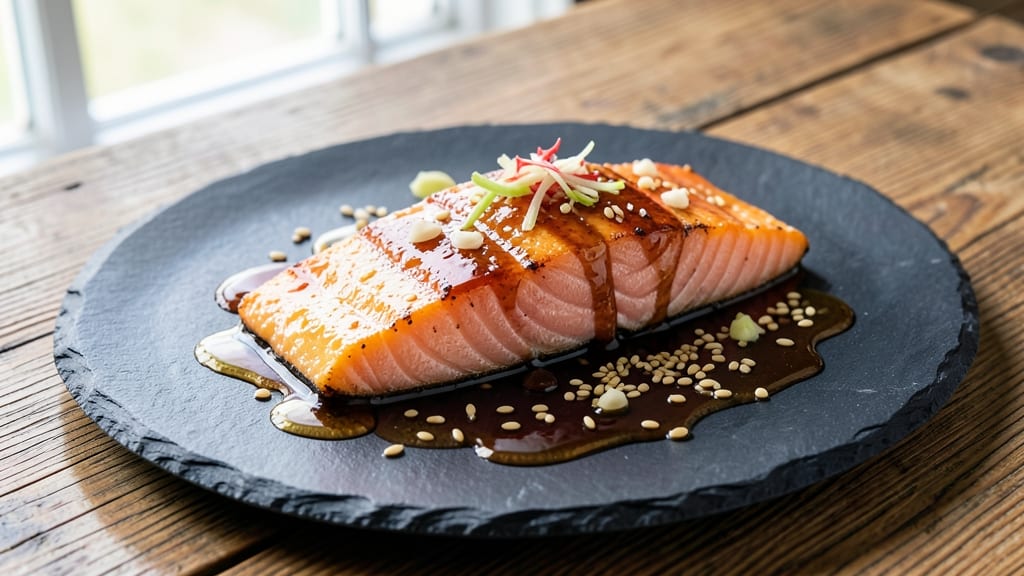
This salmon with soy sauce and honey recipe transforms simple ingredients into a dish that balances sweet, savory, and umami flavors with precision. The glaze caramelizes beautifully while keeping the salmon tender, creating a restaurant-quality result at home.
I developed this method after years of experimenting with glazes—each element must harmonize perfectly for that ideal balance.
The secret lies in the marinade and cooking technique: a 15-minute soak in soy sauce and honey jumpstarts flavor infusion, while high-heat searing locks in moisture. The glaze thickens just enough to coat the fish without overwhelming its natural richness.
This recipe delivers a crispy exterior with a moist, flaky interior every time.
Pair it with steamed jasmine rice and roasted asparagus for a complete meal, or serve over a bed of greens for a lighter option. The glaze's caramelized depth makes it versatile—equally at home as a weeknight dinner or special occasion dish.
Let’s get cooking for salmon that tastes like it came from a high-end restaurant.
For best results, use fresh salmon fillets and high-quality honey—these are the foundation of the dish. The glaze should be applied generously but evenly, and cooking time is critical to avoid overcooking. Trust the process, and you’ll achieve that perfect sweet-savory harmony in every bite.
Ingredients for salmon with soy sauce and honey
Nine essential ingredients create restaurant-quality salmon with perfect sweet-savory harmony.
| Ingredient | Amount | Notes |
|---|---|---|
| Fresh Atlantic Salmon Fillets 🐟 | 1 ½ lb | Skin-on, center-cut for even cooking |
| Japanese Soy Sauce 🥢 | ¼ cup | Kikkoman preferred for authentic umami |
| Raw Honey 🍯 | ⅓ cup | Local clover honey for balanced sweetness |
| Sesame Oil 🫒 | 1 tbsp | Toasted, not flavored |
| Fresh Ginger Root 🌿 | 1 ½ tsp | Finely grated, organic preferred |
| Garlic Cloves 🧄 | 3 cloves | Minced, fresh for aromatic depth |
| Rice Vinegar 🍶 | 1 tbsp | Seasoned, for acid balance |
| Extra-Virgin Olive Oil 🫒 | 1 tbsp | For high-heat searing |
| Diamond Crystal Kosher Salt 🧂 | 1 ½ tsp | Fine grain for even seasoning |
| Freshly Ground Black Pepper 🌶️ | ½ tsp | Cracked peppercorns preferred |
| Toasted Sesame Seeds 🌾 | 1 tbsp | For garnish and texture contrast |
| Jasmine Rice 🍚 | 1 cup | Uncooked, for perfect pairing |
| Fresh Asparagus 🌱 | 1 lb | Medium stalks, trimmed ends |
The salmon fillets are the foundation—center-cut, skin-on ensures even cooking and crispy skin. Source from a trusted seafood counter where they're flash-frozen at peak freshness. Whole Foods or Trader Joe's carry consistently high-quality fillets. For the honey, local clover provides balanced sweetness without overpowering the soy sauce's umami. The Japanese soy sauce is non-negotiable—Kikkoman delivers that authentic depth. Store your sesame oil in a cool, dark place to preserve its delicate flavor. Fresh ginger and garlic should be organic when possible—their vibrant color indicates peak freshness. The rice vinegar adds crucial acidity to balance the glaze's richness.
No Japanese soy sauce? High-quality tamari works in a pinch, though it lacks the same depth. Substitute honey with agave nectar for a neutral sweetness, though texture may differ slightly. Sesame oil unavailable? Avocado oil maintains high heat stability, though it won't provide that nutty aroma. Fresh ginger too pungent? Ground ginger at half the amount suffices, though texture will vary. For the asparagus, frozen works in a pinch—simply thaw and trim before roasting. The jasmine rice can be swapped for brown rice, though cooking time will increase. Always use extra-virgin olive oil for searing—its smoke point is critical for proper caramelization.
Salmon fillets should be used within 2 days of purchase for optimal freshness. Store them skin-side down in an airtight container lined with parchment paper. The glaze ingredients keep indefinitely except for fresh ginger (store in a damp paper towel in the fridge for 2 weeks). Prepped glaze components can be refrigerated for 5 days before assembly. The finished glazed salmon reheats beautifully—10 seconds in the microwave restores its crispy exterior. For meal prep, portion the glaze separately and apply fresh before serving to maintain texture.
Why You'll Love This Recipe
- Five-Ingredient Magic: That’s all it takes—salmon, soy, honey, sesame oil, and ginger. I swear, the first time I lined up those ingredients, I thought, "This can’t be right." But it is. The honey glaze caramelizes in minutes, cutting through the saltiness of the soy while the ginger adds a zing that makes every bite feel like a little celebration.
- Sweet-Savory Balance: Between us, I’ve tried fancy glaze recipes that flopped. This one? Spot-on. The Japanese soy sauce brings umami depth, the honey adds just enough sweetness to make it irresistible, and a drizzle of sesame oil at the end ties it all together. It’s rich but not heavy—clean, bright, and impossible to resist.
- Weeknight & Date Night: Honestly, this is my go-to when I’m too tired to think but still want to impress. For weeknights, it’s ready in 20 minutes. For date night? Plate it with steamed greens and rice—suddenly, you’re serving restaurant-quality without the fuss. (Yes, even on a Tuesday night.)
- Leftovers That Don’t Suck: Most salmon recipes turn into sad, dry leftovers. Not this one. The glaze keeps it moist, and the flavors only get better the next day. I’ll often repurpose it into a quick salad topping or toss it into fried rice—because who has time to cook twice? It’s my secret weapon for lazy afternoons.
Step-by-step instructions for glazed salmon with sweet-savory balance
Master this technique for restaurant-quality salmon where the glaze caramelizes perfectly without overpowering the delicate fish.
Prepare the Glaze and Season the Salmon
In a small saucepan, combine the 0.33 cup raw honey, 0.25 cup Japanese soy sauce, 1 tbsp rice vinegar, 1.5 tsp finely grated fresh ginger root, and 3 minced garlic cloves. Bring to a gentle simmer over medium heat, then reduce to low and cook for 5-7 minutes until the mixture thickens slightly and darkens to a deep amber color. This reduction develops complex caramelized flavors that will coat the salmon beautifully.
While the glaze simmers, pat the 1.5 lb fresh Atlantic salmon fillets dry with paper towels—this ensures maximum contact between the skin and pan for crispy results. Place the fillets skin-side down on a plate and season both sides generously with 1.5 tsp diamond crystal kosher salt and 0.5 tsp freshly ground black pepper. Let them rest at room temperature for 15 minutes before cooking to ensure even heat distribution.
Create the Perfect Sear
Heat a large skillet over medium-high heat until it's just about to smoke. Add 1 tbsp extra-virgin olive oil and swirl to coat the pan evenly. Carefully place the salmon fillets skin-side down in the pan and cook undisturbed for 4-5 minutes. You'll know it's ready to flip when the edges lift easily and the skin turns a deep golden brown with crispy edges—this is the foundation of your perfect sear.
Once the skin is perfectly crisp, gently flip the fillets and cook for an additional 2-3 minutes on the other side until the salmon reaches an internal temperature of 135°F. The center should still appear slightly translucent—overcooking will turn the flesh opaque and dry. Remove the fillets from the pan and transfer them to a warm plate, skin-side up, to rest while you prepare the asparagus.
Cook the Jasmine Rice and Asparagus
Rinse 1 cup jasmine rice under cold water until the water runs clear, then combine it with 1.5 cups water in a small pot. Bring to a boil, then reduce heat to low, cover, and simmer for 15 minutes. Remove from heat and let it steam, covered, for an additional 5 minutes. This resting period allows the rice to absorb all the moisture and develop a fluffy, separate grain texture that pairs perfectly with the rich salmon.
While the rice cooks, trim the tough ends from 1 lb fresh asparagus and cut each stalk into 2-inch pieces. Heat 1 tbsp sesame oil in a separate skillet over medium-high heat until shimmering. Add the asparagus and cook for 3-4 minutes, stirring occasionally, until the edges begin to soften but the centers remain crisp-tender. Season lightly with a pinch of salt and pepper, then remove from heat and set aside.
Finish the Salmon with Glaze
Return the skillet with the salmon to medium heat and carefully pour the reduced glaze over the fillets. Spoon the sauce evenly over the top and let it simmer for 1-2 minutes until it begins to bubble and caramelize slightly. The glaze should coat the salmon but remain glossy—not syrupy. If it thickens too quickly, add 1 tablespoon water to loosen it.
Remove the salmon from heat and let it rest for 3-4 minutes before serving. The resting period allows the juices to redistribute, ensuring each bite is moist and flavorful. Garnish each portion with 1 tbsp toasted sesame seeds and serve alongside the jasmine rice and asparagus. The contrast of textures—crispy skin, tender salmon, and the caramelized glaze—creates a harmonious balance of sweet, savory, and umami notes in every bite.
Pro Tips For Making Salmon With Soy Sauce And Honey
- Sear First, Glaze After: Hit the salmon skin-side down in a dry pan over medium-high heat until it’s crispy—about 4-5 minutes. Then remove it, toss in the soy-honey-ginger glaze, and baste the salmon back in the pan. I used to glaze first, and the skin always turned soggy. This way, the crust stays perfect while the glaze caramelizes.
- Thin the Honey: Mix your honey with a splash of warm water (about 1 tablespoon per 2 tablespoons honey) before combining with soy sauce and ginger. Raw honey is thick—this ensures it coats the salmon evenly instead of clumping. Trust me, your glaze will look (and taste) way more professional.
- Skip the Overcrowded Pan: Cook one fillet at a time if your pan is small. Crowding steams the salmon instead of searing it, and you’ll end up with sad, uneven cooking. If you’re short on time, use a nonstick skillet—it’s worth the extra minute of waiting.
- Toast the Ginger: Lightly char the ginger slices in the pan for 30 seconds before adding the soy sauce. It deepens the flavor and gives the glaze a subtle smokiness. Sounds weird, but it works—my grandmother swore by it, and now I do too.
Pro cooking tips for salmon with soy sauce and honey
Glaze Reduction Mastery
The glaze is where the magic happens—simmering it just right transforms simple soy sauce and honey into a complex, caramelized sauce. I always use a small saucepan and keep the heat at medium-low after the initial simmer to prevent burning.
The goal is to reduce it until it reaches a deep amber color and coats the back of a spoon. This takes about 5-7 minutes, but don’t rush it—the longer it simmers, the deeper the flavor. If it starts to darken too quickly, reduce the heat further. 🌡️
Pan Prep for Crispy Skin
A perfectly crispy skin is non-negotiable for this dish, and it starts with the pan. I use a 10-inch cast-iron skillet (like Lodge) because it retains heat exceptionally well. Heat it over medium-high heat until it’s smoking hot—this ensures the skin crisps instantly.
Add 1 tbsp extra-virgin olive oil and swirl it around to coat the entire surface. The oil should shimmer but not smoke excessively. If you see smoke, let the pan cool slightly before adding the salmon. 🔥
Timing the Sear
Patience is key when searing salmon. Place the fillets skin-side down in the pan and do not touch them for the first 4-5 minutes. The skin should release easily from the pan when it’s ready to flip—this is your cue.
If it’s sticking, your pan isn’t hot enough. Once flipped, cook for just 2-3 minutes on the other side. Overcooking here turns the salmon dry, so use a meat thermometer to check for 135°F internal temperature. 💡
Glaze Application Technique
After searing, return the salmon to the pan and pour the reduced glaze over the top. Let it simmer for 1-2 minutes until it bubbles and caramelizes slightly. The glaze should coat the salmon evenly but remain glossy, not syrupy.
If it thickens too much, add 1 tbsp water to loosen it. The goal is to create a sticky, caramelized crust that clings to the fish without drowning it. 🍯
Resting for Juicy Perfection
Never skip the resting step—this is where the salmon’s juices redistribute, ensuring every bite is moist. Transfer the salmon to a warm plate and let it rest for 3-4 minutes before serving. During this time, tent it loosely with foil if you’re worried about it drying out.
The glaze will continue to caramelize slightly, deepening its flavor. Garnish with toasted sesame seeds right before serving to add texture contrast. ✨
Nutrition facts
Frequently asked questions
Why does the recipe call for Japanese soy sauce instead of regular soy sauce?
Japanese soy sauce has a deeper umami flavor and slightly sweeter profile than regular soy sauce, which enhances the sweet-savory balance in this dish. The amino acid content is also more concentrated, creating that signature rich taste. If you only have regular soy sauce, use 1/4 cup plus 1 tbsp to compensate for the difference.
Can I make this recipe with frozen salmon instead of fresh?
Yes, but thaw it properly first! Place frozen salmon in the refrigerator for 24 hours before cooking. For best results, use skin-on fillets and pat them completely dry to ensure crispy skin. Never thaw at room temperature, as this promotes bacterial growth.
How do I adjust the glaze if I want it sweeter or less sweet?
For a sweeter glaze, increase the honey by 1 tablespoon and reduce the soy sauce by the same amount. For less sweetness, swap 1 tablespoon of honey for rice vinegar. Remember: the glaze should complement the salmon's natural flavor, not overpower it. Taste as you go!
What's the best way to reheat leftover glazed salmon?
Reheat gently in a skillet over low heat for 2-3 minutes per side with 1 teaspoon water to restore moisture. Microwave reheating works too (10 seconds on high), but the skin won't be as crispy. For best texture, reheat only what you plan to eat immediately.
Can I substitute honey with maple syrup?
Yes, but use 1/3 cup maple syrup instead of honey—it's slightly less sweet and has a different flavor profile. The glaze will have a more pronounced earthy note. For closer results, reduce the maple syrup by 1 tablespoon and add 1 teaspoon extra rice vinegar to balance the sweetness.