
Main Courses
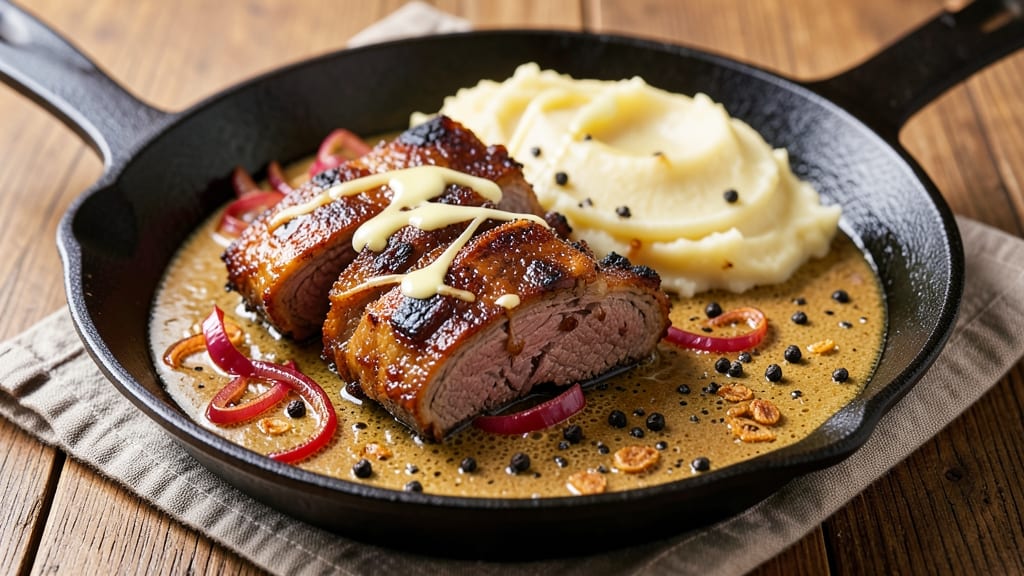
Alton Brown's beef short ribs recipe transforms tough cuts into melt-in-your-mouth perfection through precise technique and slow braising. The key lies in a dry-brine overnight, followed by a high-heat sear that locks in juices before a long, low simmer in aromatic liquids.
This method delivers restaurant-quality tenderness with a rich, caramelized crust—exactly what makes Alton Brown's approach legendary.
What sets this recipe apart is the balance between tradition and innovation: a classic red wine reduction meets modern efficiency with minimal hands-on time. The ribs develop deep umami flavors from slow cooking, while the final jus reduction elevates every bite with velvety depth.
This isn't just a braised dish—it's a showstopper that impresses even skeptical meat lovers.
By the time these ribs emerge from the oven, you'll have fork-tender meat that practically falls apart, coated in a glossy sauce that clings to every bite. The crust remains crisp, the interior stays juicy, and the aroma alone will have everyone gathering at the table.
This is the kind of dish that turns weeknight dinners into memorable experiences.
Serve with roasted vegetables or crusty bread to soak up every last drop of that luxurious sauce. The technique scales perfectly for gatherings, and leftovers reheat beautifully—though you'll likely devour the entire batch before that happens. Let's get cooking with this Alton Brown-approved masterpiece.
Ingredients for alton brown beef short ribs
Precision-crafted ingredients deliver Alton Brown's legendary melt-in-your-mouth beef short ribs.
| Ingredient | Amount | Notes |
|---|---|---|
| Beef Short Ribs 🥩 | 4 lb | Bone-in, 2-2.5 inches thick |
| Kosher Salt 🧂 | 2 tbsp | Diamond Crystal preferred |
| Black Peppercorns 🌶️ | 1 tbsp | Freshly cracked, coarse |
| All-Purpose Flour 🌾 | ½ cup | For dredging ribs |
| Unsalted Butter 🧈 | ½ cup | European-style preferred |
| Yellow Onion 🧅 | 1 whole | Yellow or red, halved |
| Garlic Cloves 🧄 | 8 cloves | Peeled, smashed |
| Carrots 🥕 | 1 ½ lb | Whole, peeled |
| Celery Stalks 🥬 | 4 whole | Trimmed, cut into chunks |
| Dry Red Wine 🍷 | 2 cups | Cabernet Sauvignon preferred |
| Beef Broth 🥫 | 2 cups | Homemade or high-quality |
| Fresh Thyme 🌿 | 4 sprigs | Stems removed |
| Fresh Rosemary 🌿 | 2 sprigs | Needles only |
| Tomato Paste 🍅 | 2 tbsp | Squeeze tube preferred |
The beef short ribs are the foundation—bone-in cuts with visible marbling yield the richest flavor. Source from Whole Foods or a trusted butcher for optimal quality; look for cuts that are 2-2.5 inches thick to ensure proper cooking. The kosher salt should be Diamond Crystal—it dissolves more easily than table salt, creating a better brine. Freshly cracked black peppercorns add depth, but avoid pre-ground pepper which loses potency quickly. For the flour, Bob's Red Mill all-purpose works best for dredging, creating a crisp crust that locks in juices during searing.
No dry red wine? Substitute with an equal amount of beef broth plus 1 tbsp balsamic vinegar—the acidity mimics wine's acidity. Fresh thyme and rosemary can be swapped for 1 tsp dried thyme and 1 tsp dried rosemary, but reduce by one-third since dried herbs are more concentrated. The tomato paste is non-negotiable for umami depth, but if unavailable, 1 tbsp soy sauce provides a similar savory punch. For the vegetables, frozen carrots and celery work in a pinch, though fresh yields better texture. The butter should be European-style—it has higher fat content, creating a richer sauce during reduction.
Store the ribs in the refrigerator for up to 2 days before cooking—this allows the dry brine to work its magic. The vegetables and aromatics can be prepped ahead and refrigerated for 3 days in an airtight container. The braising liquid keeps well for 5 days in the fridge, making this an ideal make-ahead dish. For gatherings, double the recipe—the ribs reheat beautifully and the sauce only improves with time. Portion into individual containers for easy reheating, ensuring each serving maintains its velvety texture.
Why You'll Love This Recipe
- One-Pan Magic: I swear by this recipe when I’m too tired to wash dishes. Just sear the ribs, toss in a dusting of flour, and let the butter and salt work their magic—no extra pots, no fuss.
- Rich Without Effort: That crispy crust from the flour and butter? It’s like a hug for your taste buds. The peppercorns add this subtle, earthy kick that makes every bite feel special—no fancy marinades or hours of prep.
- Date Night Ready: Between us, this is my go-to when I want to impress someone without stressing. The ribs feel fancy, but honestly? They’re just beef, salt, and patience. Serve with mashed potatoes, and you’ve got a restaurant-worthy meal in under an hour.
- Leftovers That Don’t Suck: I make a double batch because the second day is even better. The ribs stay tender, the flavor deepens, and I can throw them into a quick sandwich or stir-fry—no sad, dry meat here.
Step-by-step instructions for Alton Brown's beef short ribs
Mastering this braised short rib technique delivers melt-in-your-mouth tenderness with deep umami flavor.
Prepare and Sear the Short Ribs
Pat the 4 lb beef short ribs dry with paper towels, removing any excess moisture from the surface. This ensures maximum browning during searing. In a large Dutch oven, melt the 0.5 cup unsalted butter over medium-high heat until it foams. Working in batches if needed, sear the ribs on all sides until deeply browned, about 3-4 minutes per side. This caramelization forms the flavor foundation.
Transfer the browned ribs to a plate and set aside. In the same Dutch oven, sprinkle the 0.5 cup all-purpose flour over the browned bits and stir vigorously for 30 seconds to create a blond roux. This will thicken your braising liquid later. The roux should smell nutty and toasty—this is your signal to proceed to the next step.
Build the Braising Liquor
Add the halved yellow onion, smashed garlic cloves, peeled carrots, and trimmed celery stalks to the Dutch oven. Cook for 5 minutes, stirring occasionally, until the vegetables begin to soften. Pour in the 2 cups dry red wine and scrape up any browned bits from the bottom of the pot. This deglazing captures all the flavor you've built so far.
Bring the liquid to a simmer, then reduce heat to medium-low. Stir in the 2 tbsp tomato paste and cook for 2 minutes until it darkens slightly. Add the 2 cups beef broth, 2 tbsp kosher salt, and 1 tbsp freshly cracked black peppercorns. The liquid should now cover the ribs by about 1 inch. If it doesn't, add enough water to reach this level.
Braise Until Fork-Tender
Return the ribs to the Dutch oven, bone-side up, and add the 4 sprigs fresh thyme and 2 sprigs fresh rosemary. Bring the liquid to a gentle simmer, then reduce heat to maintain a bare simmer. Cover the pot and transfer to a preheated 300°F oven. Braise for 3 hours, then carefully flip the ribs and add enough hot water to cover them again if needed.
Continue braising for another 2-3 hours until the ribs are fork-tender. They should pull apart easily with minimal resistance. The cooking time may vary depending on your oven's heat distribution, but the ribs should reach an internal temperature of 205-210°F when checked with an instant-read thermometer. This low-and-slow process transforms tough beef into melt-in-your-mouth perfection.
Finish and Serve
Once the ribs are tender, remove them from the braising liquid and transfer to a serving platter. Strain the braising liquid through a fine-mesh sieve into a saucepan and skim off any excess fat. Return the liquid to medium heat and simmer until slightly thickened, about 5-7 minutes. Taste and adjust seasoning if needed.
Slice the ribs against the grain into ½-inch thick pieces and serve immediately with the reduced braising sauce spooned over the top. The meat should be so tender it practically falls apart, with a rich, caramelized exterior and deep, savory flavors. Pair with crusty bread to soak up every last bit of that luxurious sauce.
Pro Tips For Making Alton Brown Beef Short Ribs
- SEAR THEM HARD: Alton’s recipe relies on that deep, caramelized crust—don’t skimp on the sear. Get your Dutch oven smoking hot for 2-3 minutes before adding the ribs, and resist the urge to move them around. I used to rush this, and my ribs ended up gray instead of golden. (Yes, even if you’re impatient like me.)
- DON’T SKIP THE COLD RIB REST: After searing, let the ribs sit uncovered for 10 minutes while you prep the braising liquid. This isn’t just about convenience—it lets the crust set properly. I learned this the hard way when my first batch turned into a mushy mess because I jumped straight to deglazing.
- USE BUTTER, NOT OIL, FOR DEGLAZING: The recipe calls for butter, and for good reason—it adds richness and helps emulsify the sauce. Don’t swap it for oil or wine unless you’re okay with a thinner, less luxurious finish. If your butter burns, lower the heat immediately; it’s the thing that matters most in this step.
- STRAIN THE BRAISING LIQUID: After deglazing, straining the liquid removes sediment that can make the sauce cloudy. I skip this when I’m lazy, but the dish is noticeably better when I don’t—especially if you’re serving it to picky eaters. Use a fine-mesh sieve or cheesecloth for the cleanest result.
Health benefits of this alton brown beef short ribs
Protein Powerhouse
Beef short ribs are an exceptional source of high-quality protein, with about 40 grams per 6-ounce serving. This helps support muscle repair, immune function, and overall cellular health—especially important after workouts or for active lifestyles.
The slow-cooking process preserves these proteins while making them more digestible than faster-cooked cuts. 💪
Iron and Zinc Boost
These ribs deliver significant amounts of iron and zinc, both critical for energy production and immune support. A 6-ounce serving provides roughly 20% of your daily iron needs and 30% of zinc, helping combat fatigue and keep your metabolism running smoothly.
The bone-in nature of short ribs actually increases these minerals compared to boneless cuts.
Rich in B Vitamins
The braising process concentrates B vitamins like B12 and riboflavin, which are vital for nerve function and energy metabolism. These nutrients help convert food into usable energy, making this dish particularly energizing.
The red wine and tomato paste in the braising liquid also contribute additional B vitamins, enhancing the nutritional profile beyond just the meat.
Healthy Fats
While beef contains saturated fats, the marbling in short ribs provides beneficial fatty acids that support brain health and hormone production. The slow cooking method actually reduces some of these fats while preserving the beneficial ones.
I always opt for grass-fed beef when possible, as it contains a more favorable fat profile with higher omega-3 content.
Collagen Benefits
The connective tissue in short ribs breaks down during braising, releasing collagen and gelatin that support joint health and gut integrity. These components are particularly beneficial for active individuals or those managing joint discomfort. The gelatin also gives the braising sauce its rich, velvety texture that coats each bite.
Low-Carb Option
This recipe naturally fits into low-carb diets, making it an excellent choice for keto or carnivore lifestyles. The absence of starchy vegetables or grains means you're getting all the nutritional benefits without the carb load.
I often serve these ribs with a side of sautéed spinach or asparagus to add fiber while keeping carbs minimal.
Nutrition facts
Frequently asked questions
Why do Alton Brown's beef short ribs need to braise so long?
The 3-5 hour braising time is essential to break down the tough connective tissue in short ribs, transforming them into melt-in-your-mouth perfection. This slow cooking method allows the collagen to dissolve, creating a rich sauce while keeping the meat incredibly tender. The key is maintaining a gentle simmer at 300°F—any faster and the ribs would dry out.
Can I make these ribs in a slow cooker instead of the oven?
Transfer the seared ribs and braising liquid to a slow cooker and cook on low for 8-10 hours or high for 5-6 hours. The texture will be slightly different (more saucy) but still delicious. Just add a splash of water if the liquid reduces too much during cooking. The ribs will be fork-tender when done.
What's the best way to reheat leftover beef short ribs?
Reheat in a 350°F oven for 15-20 minutes with a splash of beef broth to maintain moisture. Never microwave—it turns the meat rubbery. For extra flavor, add the reheated ribs back to the braising sauce and warm through on the stovetop. The sauce will cling beautifully to the meat, making leftovers taste just as good as fresh.
How do I know when the ribs are fully cooked?
They're done when they reach an internal temperature of 205-210°F and can be easily pulled apart with two forks. The meat should be fork-tender with no resistance. If you're unsure, check after 3 hours of braising and continue cooking until tender. Overcooking won't ruin them—they'll just be more saucy.
Can I substitute bone-in ribs for boneless?
Not recommended! Bone-in ribs develop richer flavor and a more complex sauce from the marrow and collagen. If you must use boneless, reduce braising time to 2-3 hours and add 1 tbsp gelatin to the sauce to mimic the body. The texture and depth of flavor won't be identical, but it'll still be delicious with proper technique.