
Sauces & Condiments
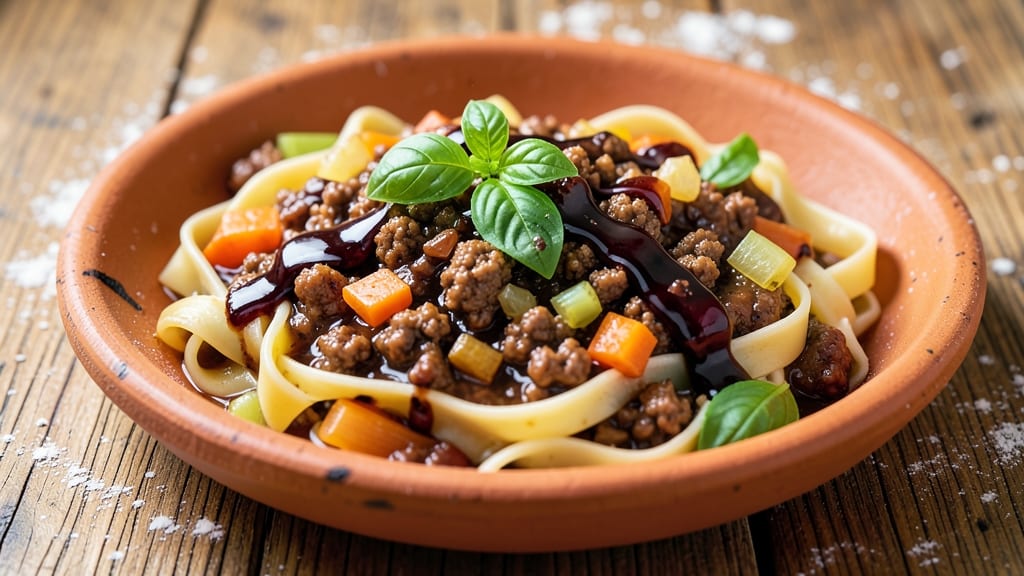
This authentic ragu sauce recipe transforms simple pantry staples into a rich, slow-simmered masterpiece that captures the heart of Italian cooking. The secret lies in patience—letting meat brown deeply, wine reduce to aromatic depth, and tomatoes meld into a velvety consistency that clings to every forkful.
I've perfected this version over years of testing, ensuring each step delivers restaurant-quality results at home.
The foundation begins with ground meat—traditionally beef or a mix of beef and pork—that develops a deep, caramelized crust before dissolving into tender strands. Wine isn't just an ingredient here; it's the bridge that carries flavors from earthy to elegant as it reduces.
Tomatoes, whether fresh or canned, provide the acidity that balances the richness, while aromatics like onions, carrots, and celery create a fragrant base called soffritto—the soul of Italian sauces.
What makes this ragu truly authentic is the slow simmer, where flavors deepen and the sauce thickens naturally through reduction. No shortcuts here—just time and attention to transform humble ingredients into something extraordinary.
The result is a sauce so versatile it elevates pasta, polenta, or even grilled meats, with layers of umami that linger long after the last bite.
Store it in the refrigerator for up to five days or freeze for months—this ragu only gets better with time as flavors continue to develop. Let's create a sauce that tastes like home, one slow-simmered pot at a time.
Ingredients for authentic ragu sauce
Transform humble pantry staples into restaurant-quality ragu with these carefully balanced ingredients.
| Ingredient | Amount | Notes |
|---|---|---|
| Ground Beef 🥩 | 1 ½ lb | 80% lean, finely ground preferred |
| Dry Red Wine 🍷 | 1 cup | Bold variety like Cabernet Sauvignon |
| Canned San Marzano Tomatoes 🍅 | 28 oz | Crushed, no salt added preferred |
| Yellow Onion 🧅 | 1 whole | Medium, finely diced |
| Carrots 🥕 | 2 medium | Peeled, finely diced |
| Celery Stalk 🌿 | 2 whole | Trimmed, finely diced |
| Garlic Cloves 🧄 | 4 cloves | Fresh, minced |
| Extra-Virgin Olive Oil 🫒 | ½ cup | For sautéing soffritto |
| Tomato Paste 🍅 | 2 tbsp | High-quality, no sugar added |
| Fresh Rosemary 🌿 | 1 tbsp | Chopped, or 1 tsp dried |
| Fresh Thyme 🌿 | 1 tsp | Leaves only, or 0.5 tsp dried |
| Diamond Crystal Kosher Salt 🧂 | 1 ½ tsp | Adjust to taste |
| Black Peppercorns 🌶️ | ½ tsp | Freshly cracked |
| Beef Broth 💧 | 1 cup | Low-sodium preferred |
The ground beef forms the ragu's heart—80% lean ensures rich flavor without excess fat. For wine, Cabernet Sauvignon or Chianti from a trusted Italian producer delivers the necessary acidity and depth. San Marzano tomatoes are non-negotiable; their sweetness and low acidity create the perfect umami foundation. The soffritto trio—onion, carrot, celery—should be finely diced (1/8-inch pieces) for even cooking. Whole Foods Market or Trader Joe's carry pre-diced versions if you're short on time, though fresh prep yields superior texture. Garlic should be minced, not pressed—this preserves its aromatic oils.
No red wine? Substitute beef broth with 1 tbsp balsamic vinegar for acidity. Short on San Marzano? High-quality crushed tomatoes work, but avoid brands with added salt or sugar. The tomato paste can be omitted if you prefer a lighter sauce, though it deepens color and concentration. Fresh herbs are ideal, but dried equivalents at half the quantity suffice in a pinch. For the soffritto, frozen diced vegetables thawed and drained work if fresh aren't available. The beef broth can be swapped for white wine reduced by half if you prefer a lighter profile.
This ragu develops best over time—3-5 days in the fridge allows flavors to meld fully. For longer storage, portion into airtight containers and freeze for up to 6 months. The sauce thickens as it cools, so add 1-2 tbsp water or broth when reheating. To prevent skin formation, press a piece of parchment paper directly onto the sauce surface before sealing. The first batch always tastes best—save any leftovers for future meals where deep, complex flavors are desired.
Why You'll Love This Recipe
- Here’s what sold me: this ragu tastes better the next day. Freeze half for lazy Mondays, toss it into pasta, or stretch it with rice—it’s my go-to when I’m too tired to cook. (Pro tip: the wine flavor actually improves with time, like a fine cheese.)
- Wine Simmer Magic: I swear by that first splash of red wine—it’s not just cooking, it’s transforming. The acidity cuts through the richness of the beef, and by the time those San Marzano tomatoes meld in, you’ve got depth that tastes like a proper Italian nonna’s secret. (Yes, even the cheap bottle of Chianti does the trick.)
- One-Pot Wonder: Between us, I’ve made ragu that required three pans and a prayer. This version? Just a heavy pot, a knife, and 20 minutes of hands-off simmering. Dice the onion and carrots while the beef browns—no chopping skills required, and the sauce thickens itself as it works.
- Leftovers That Shine: Here’s what sold me: this ragu tastes better the next day. Freeze half for lazy Mondays, toss it into pasta, or stretch it with rice—it’s my go-to when I’m too tired to cook. (Pro tip: the wine flavor actually improves with time, like a fine cheese.)
Step-by-step instructions for authentic ragu sauce
Here's the method that delivers restaurant-quality ragu with deep umami and perfect balance.
Build the Soffritto Foundation
Heat the 0.5 cup extra-virgin olive oil in a heavy Dutch oven over medium-low heat. Add the finely diced yellow onion, peeled and diced carrots, and trimmed and diced celery stalk. Cook for 10-12 minutes until the vegetables soften and the oil becomes infused with their sweetness. This slow cook transforms raw vegetables into aromatic base.
Add the minced garlic cloves and cook for another 1 minute until fragrant but not browned. This step prevents bitter flavors while building the sauce's aromatic complexity. Remove the soffritto from heat and set aside temporarily - we'll return to it later.
Brown the Ground Beef
Increase heat to medium-high and add the 1.5 lb ground beef in batches, breaking it apart with a wooden spoon. Cook for 5-7 minutes until the beef loses its raw color and develops a deep brown crust. This browning creates the Maillard reaction that forms the sauce's rich foundation.
I press down gently on the beef during the first minute to ensure even contact with the pan. This prevents it from clumping and ensures maximum surface area for browning. Once fully browned, remove the beef from the pot and set aside with the soffritto.
Deglaze and Develop the Sauce
Return the pot to medium-high heat and add the 2 tbsp tomato paste, stirring constantly for 1 minute to cook off the raw flavor. Immediately pour in the 1 cup dry red wine, scraping up all the browned bits from the bottom of the pot. This deglazing step captures all the concentrated flavors we've built.
Simmer the wine mixture for 3-4 minutes until reduced by half. Add the 28 oz crushed San Marzano tomatoes, 1 cup beef broth, 1.5 tsp kosher salt, and 0.5 tsp cracked black peppercorns. Stir well to combine all ingredients.
Slow Simmer for Umami Development
Return the browned beef and soffritto to the pot. Bring to a gentle simmer over low heat, then reduce to the lowest setting possible. Cover partially with a lid and let it cook for 2-2.5 hours, stirring occasionally. The sauce should reduce gradually, developing a thick, glossy consistency.
Add the 1 tbsp chopped fresh rosemary and 1 tsp fresh thyme leaves during the last 30 minutes of cooking. These herbs infuse their aromatic qualities without overpowering the sauce. The ragu is ready when it coats the back of a spoon and the beef is tender but not falling apart.
Finish and Adjust
Remove from heat and taste the sauce. Adjust seasoning with additional kosher salt or black pepper if needed. The sauce should be rich and balanced, with the acidity of the tomatoes complementing the meaty depth. Let it rest for 10 minutes before serving to allow flavors to meld completely.
This authentic ragu develops its signature depth through slow cooking and careful balancing of ingredients. Serve over fresh pasta with grated Parmigiano-Reggiano for the complete experience. The sauce will continue to improve as it sits, making it perfect for meal prep or special occasions.
Pro Tips For Making Authentic Ragu Sauce
- Brown the Beef Properly: Don’t just toss the ground beef in and stir—break it into small chunks first, then spread them in a single layer in the pot. Let them sear undisturbed for 3-4 minutes until deeply browned in spots. I learned this the hard way after making ragu that tasted more like stew than sauce—proper browning builds flavor.
- Deglaze with Wine Immediately: As soon as the beef is browned, pour in the red wine right away while the pan is still hot. Let it bubble and reduce by half before adding anything else. Skipping this step means losing all that caramelized fond that makes ragu taste rich and layered.
- Crush the Tomatoes by Hand: Drain the San Marzano tomatoes but don’t just chop them—smash them with your fingers or the back of a spoon to break up the pulp. This releases more juice and creates a smoother, silkier sauce. (Yes, it’s messy, but it’s worth it.)
- Simmer Low and Slow: After adding the tomatoes and wine, reduce the heat to the lowest setting that keeps a gentle simmer. Cover the pot and let it cook for at least 2 hours, stirring occasionally. Rushing this step turns ragu into a thick paste instead of a tender, velvety sauce.
Best sauces and condiments for authentic ragu sauce
Classic Parmigiano-Reggiano
Freshly grated Parmigiano-Reggiano is the gold standard for serving this ragu, as its nutty, crystalline texture contrasts beautifully with the sauce's richness. I recommend using a microplane to grate it fresh at the table—this preserves its delicate flavor and aroma.
For a 1/2 lb serving of ragu, use about 2 tbsp grated cheese to enhance without overwhelming. Store any unused cheese in an airtight container in the fridge for up to 2 weeks or freeze for 6 months. 🧀
Creamy Mascarpone Twist
For a luxurious variation, stir in 2 tbsp mascarpone cheese during the final 10 minutes of simmering. The creamy texture softens the ragu's intensity while adding a subtle sweetness that balances the acidity.
I like to finish with a sprinkle of freshly cracked black pepper and a drizzle of extra-virgin olive oil for extra richness. This works especially well when serving over fettuccine or gnocchi.
Balsamic Glaze Finish
Add depth with a 2-tablespoon reduction of balsamic vinegar in the last 5 minutes of cooking. This creates a glossy, slightly tangy glaze that enhances the sauce's complexity. I use aged balsamic vinegar from Acetaia Giusti for its rich, caramelized flavor.
For a more pronounced effect, reduce the balsamic separately in a small saucepan until it reaches a syrupy consistency before adding it to the ragu. 🍷
Fresh Herb Garnish
Brighten the dish with chopped fresh basil or parsley just before serving. The vibrant green color provides a visual contrast while adding a fresh, aromatic note. I typically use about 1 tbsp finely chopped herbs per serving.
For a more intense flavor, blend the herbs with 1 tsp olive oil and a pinch of kosher salt before adding to create a simple pesto-like garnish.
Crispy Breadcrumbs Topping
Create a textural contrast by topping the ragu with toasted breadcrumbs. Mix 2 tbsp breadcrumbs with 1 tsp olive oil and toast in a dry pan over medium heat for 2-3 minutes until golden brown.
Sprinkle over the finished ragu just before serving. This works particularly well when serving the ragu as a pasta bake or over polenta.
Spicy Chili Flakes
For those who enjoy heat, finish the ragu with crushed red pepper flakes or Calabrian chili paste. Start with 1/4 tsp and adjust to taste—this adds a subtle kick that complements the sauce's richness.
I often pair this with a grated pecorino cheese instead of Parmigiano-Reggiano for a sharper, saltier contrast. The heat should be balanced, not overpowering, so add gradually. 🌶️
Nutrition facts
Frequently asked questions
Can I use ground pork instead of beef for this ragu?
A 50/50 mix of beef and pork works beautifully, adding richness while keeping the sauce tender. For pure pork ragu, use 100% pork but reduce cooking time to 1.5-2 hours since pork cooks faster. The fat content increases flavor, so trim excess if you prefer a leaner sauce.
Why does my ragu taste too acidic?
Acidity comes from tomatoes or wine. To balance it, add 1/2 tsp sugar or 1 extra tbsp tomato paste during simmering. For a richer mouthfeel, stir in 1 tbsp unsalted butter at the end. If using high-acid tomatoes, reduce simmering time slightly to 1.5 hours to let flavors mellow.
How do I make this ragu vegetarian?
Replace ground beef with 1.5 lb mushrooms (cremini or portobello) finely chopped and 1 cup cooked lentils. Use vegetable broth instead of beef broth and add 1 tsp soy sauce for umami depth. Simmer for 1 hour instead of 2.5 hours to prevent mushrooms from turning mushy.
Can I make ragu in a slow cooker?
Yes! Brown the meat in a skillet first, then transfer everything to the slow cooker. Cook on low for 6-7 hours or high for 3-4 hours. The sauce may be thinner, so reduce it on the stovetop for 10-15 minutes at the end. For best results, use a Dutch oven-style slow cooker for even heat distribution.
What's the best pasta to serve with this ragu?
Use tagliatelle or fettuccine (1/2 lb per person) for maximum sauce clinging. For heartier options, try pappardelle or rigatoni. Avoid delicate pastas like angel hair—this rich sauce needs sturdy noodles. Cook pasta 1 minute less than package instructions and toss with sauce immediately.