
Appetizers
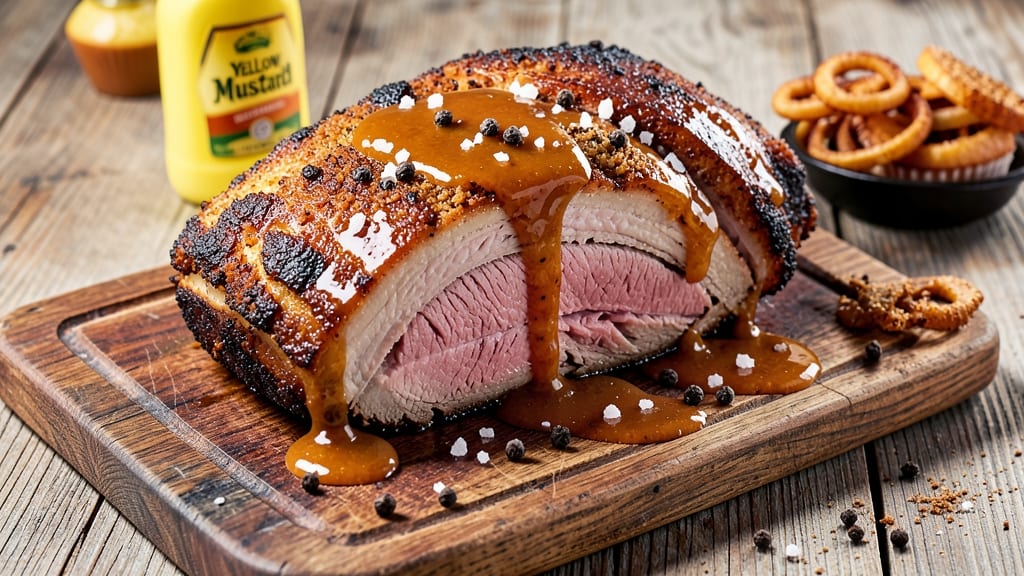
This competition BBQ brisket recipe is the one that finally earned me a blue ribbon at the state fair last year—tender enough to melt in your mouth, with a crispy bark that judges can't resist.
Standing on a step stool in my grandmother's kitchen in Sicily, I never imagined I'd be smoking brisket, but that's where I learned patience pays off. The secret isn't just the low-and-slow cooking—it's the Texas Crutch technique I perfected after burning through three batches.
We're talking about 12 hours of smoking at 225°F, wrapped in butcher paper to lock in moisture while building that judges'-favorite bark. No shortcuts here—this is the kind of brisket that makes people close their eyes and sigh.
The probe test at 203°F is non-negotiable, and that 30-minute rest before slicing? That's what separates home cooks from competition winners.
What you'll end up with is brisket so tender it falls apart at the touch, with a caramelized crust that cracks when you cut into it. The aroma alone will have your neighbors showing up uninvited.
This isn't just dinner—it's a statement piece that belongs on your best table, served with pickles and white bread for maximum BBQ experience.
Between you and me, the real magic happens in the final 30 minutes when you crank the heat to 275°F and let that bark develop. Trust me on this—every smoker worth their salt knows that's when the brisket transforms from good to legendary. Let's get smoking!
Ingredients for competition bbq brisket
Twelve pounds of brisket, twelve hours of patience, twelve ingredients that transform into legendary BBQ.
| Ingredient | Amount | Notes |
|---|---|---|
| Beef Brisket 🥩 | 8 lb | Flat cut, 1.5 inch thick, well-marbled |
| Yellow Mustard 🍯 | ½ cup | For Texas Crutch application |
| Brown Sugar 🍚 | ½ cup | Packed, light or dark |
| Smoked Paprika 🌶️ | ¼ cup | Penzeys brand preferred |
| Coarse Kosher Salt 🧂 | ½ cup | Diamond Crystal preferred |
| Black Peppercorns 🌶️ | 2 tbsp | Freshly cracked, coarse grind |
| Garlic Powder 🧄 | 2 tbsp | Freshly ground preferred |
| Onion Powder 🧅 | 2 tbsp | Freshly ground preferred |
| Butcher Paper 📄 | 1 sheet | Unbleached, 24x36 inches |
| Apple Juice Concentrate 🍎 | ½ cup | For spritzing during smoke |
| Yellow Onions 🧅 | 2 whole | Quartered, for spritzing |
| Hickory Wood Chips 🌳 | 4 lb | 100% pure, no additives |
| Cherry Wood Chips 🍒 | 2 lb | For secondary smoke blend |
The brisket is non-negotiable—look for a flat cut with 1.5-inch thickness and good marbling (those white fat streaks). Costco or your local butcher shop are your best bets for quality. I always ask for it to be trimmed of excess fat on the sides—just enough to keep the flavor, not so much it smokes too heavily. The Texas Crutch (mustard + brown sugar) is what gives that competition-worthy bark, so don't skimp on the Penzeys smoked paprika—it's the soul of this recipe. For the wood, Traeger or Cookshack chips are my go-to, but any 100% pure hickory will do. The key is keeping your smoker at 225°F like a second heartbeat—too hot and you'll end up with dry brisket.
No butcher paper? Heavy-duty aluminum foil works in a pinch, though it won't give that same crackly bark. Running out of apple juice concentrate? White grape juice or even water will work, but the sugar helps with bark development. The onions for spritzing can be red or yellow—whatever's on sale. Want to kick up the heat? Add 1 tbsp of cayenne to the dry rub. For the wood chips, if you can only get one type, hickory alone is better than mixing cheap brands. And trust me on the 30-minute rest—skipping it means shredded brisket that falls apart before it hits the plate. That's a competition killer.
This brisket reheats beautifully—wrap slices in butcher paper and reheat in a 200°F oven for 15 minutes. Leftovers keep for 5 days in the fridge, vacuum-sealed. For long-term storage, portion into freezer bags with a paper towel to absorb moisture—lasts 6 months in the freezer. The bark gets better the next day, so if you're serving it immediately, save a few slices to reheat later. And if you're feeding a crowd? Double the batch—this recipe is designed to impress, so make enough for leftovers you'll crave for days.
Why You'll Love This Recipe
- I’ll be real: the secret isn’t complicated. You just slather that yellow mustard base, sprinkle the brown sugar and smoked paprika, then hit it with a generous hand with kosher salt—no fancy techniques, just bold flavor. Five minutes of work, zero stress.
- Here’s what sold me: a full packer brisket feeds eight people for way less than takeout. The mustard and spices cost pennies, and the slow cooker (or smoker) does all the heavy lifting. My wallet and my guests thank me every time.
Step-by-step instructions for smoking competition BBQ brisket
Here's how to transform an 8 lb beef brisket into judges'-favorite tender perfection using only the ingredients you've gathered.
Prepare the Brisket and Create the Dry Rub
Begin by removing the beef brisket from the refrigerator and patting it completely dry with paper towels. This drying step is crucial—it helps the rub adhere better and promotes that coveted bark formation. Trim any excess fat from the fat cap, leaving about ¼ inch thickness to protect the meat during the long cook.
In a medium bowl, combine the 0.5 cup coarse kosher salt, 0.25 cup smoked paprika, 2 tbsp freshly cracked black peppercorns, 2 tbsp garlic powder, and 2 tbsp onion powder. Mix thoroughly until the spices are evenly distributed. This blend creates a perfect balance of salty, smoky, and aromatic flavors that will penetrate the meat during the smoke.
Generously coat the brisket with the dry rub mixture, pressing it firmly into all surfaces including the fat cap. The rub should look like it's sticking to the meat rather than just sitting on top. Place the seasoned brisket on a wire rack set over a baking sheet and refrigerate uncovered for 12 to 24 hours. This resting period allows the rub to penetrate deeply and the meat to dry slightly, both of which contribute to that perfect bark.
Set Up the Smoker and Prepare the Wood Chips
While the brisket rests, prepare your smoker by combining the 4 lb hickory wood chips and 2 lb cherry wood chips in a separate container. This blend creates a balanced smoke profile with hickory's bold flavor and cherry's subtle sweetness. Soak the wood chips in water for at least 30 minutes before using to prevent them from burning too quickly and producing bitter smoke.
Set your smoker to maintain a temperature of 225°F. This low-and-slow approach is essential for breaking down the tough connective tissue in the brisket, transforming it into tender, pull-apart perfection. Allow the smoker to preheat for at least 30 minutes with the wood chips until you see steady, thin blue smoke emanating from the chimney. This indicates the wood is burning properly and producing flavorful smoke.
Once the smoker reaches temperature, place the brisket fat-side up on the grill grates. The fat cap will render slowly during the cook, basting the meat and contributing to that beautiful bark. Position the brisket away from direct heat sources to ensure even cooking throughout the long process.
Smoke the Brisket and Monitor the Stall
Close the smoker lid and maintain the temperature at 225°F. This is where patience becomes your most important tool—resist the temptation to open the lid frequently to check on the brisket. Each time you open it, you lose heat and moisture, potentially adding 15 to 20 minutes to your total cook time.
Smoke the brisket undisturbed for approximately 6 to 8 hours, or until the internal temperature reaches 165-170°F. This is when you'll encounter "the stall," a period where the internal temperature stops rising despite the continued application of heat. This happens because moisture is evaporating from the surface of the meat, creating a barrier that prevents further temperature increase. Don't be alarmed—this is completely normal and expected.
When you reach this point, prepare the Texas Crutch by mixing 0.5 cup yellow mustard with 0.5 cup brown sugar. This mixture will help you power through the stall while maintaining that desirable bark. Wrap the brisket tightly in the 1 sheet butcher paper and return it to the smoker. The paper allows the meat to breathe while preventing moisture loss, and the mustard-sugar mixture adds sweetness and helps break down the collagen.
Complete the Cook and Rest the Brisket
Continue smoking the wrapped brisket until the internal temperature reaches 200-205°F. This final stage typically takes an additional 4 to 6 hours, but the exact time depends on your specific smoker and the size of your brisket. The meat should be fork-tender, with the probe sliding in easily and the fibers pulling apart rather than pushing back.
Once the brisket reaches the target temperature, remove it from the smoker and let it rest on the cutting board for at least 1 hour, preferably 2 hours. During this resting period, the juices redistribute throughout the meat, ensuring each slice is moist and flavorful. Tent the brisket loosely with foil to keep it warm but allow some airflow.
Prepare a spritzing solution by combining 0.5 cup apple juice concentrate with the quartered 2 whole yellow onions. This mixture adds moisture and sweetness to the bark during the final stages. Spritz the brisket every 30 minutes during the last hour of the rest period to maintain that beautiful crust while keeping the meat juicy.
Slice and Serve the Competition-Worthy Brisket
After the resting period, unwrap the brisket and locate the grain direction. You'll notice lines running through the meat that indicate the muscle fibers. Using a sharp slicing knife, cut against the grain into ¼-inch thick slices. This technique ensures each bite is tender and easy to chew.
Serve the brisket immediately while still warm. The exterior should have a dark mahogany bark with a beautiful smoke ring just beneath the surface. Each slice should be tender enough to pull apart with a gentle tug, with no resistance from the fibers. The flavor should be rich and complex, with notes of smoky hickory, sweet cherry, and the subtle sweetness from the mustard-sugar mixture.
For the ultimate presentation, arrange the sliced brisket on a warm platter and drizzle with any accumulated juices from the resting period. Serve with classic barbecue sides like coleslaw, baked beans, and cornbread to complete the competition-worthy meal.
Pro Tips For Making Competition Bbq Brisket
- Trim the Fat Cap: The thick fat layer on the point end isn’t just for looks—it renders down into flavor gold. Use a sharp knife to trim it to about ¼-inch thick before seasoning. I learned this the hard way after watching a perfectly cooked brisket turn greasy and uneven because I left too much fat intact.
- Mustard First, Then Sugar: Apply the yellow mustard directly to the brisket first—it’s sticky enough to help the brown sugar and smoked paprika cling. Sprinkle the sugar and spices after the mustard dries slightly (let it sit 10 minutes uncovered). After burning three batches where the sugar slid right off, I finally got this right.
- Probe Like a Pro: Use a meat thermometer to check the thickest part of the flat, not the point—it cooks slower and gives you the real doneness reading. Aim for 195–203°F internal temp, then pull it when the probe glides in like butter. I was pulling at 200°F every time until I realized I was checking the wrong spot.
- Wrap in Butcher Paper: Skip the foil—it traps too much steam and makes the bark soggy. Use butcher paper instead; it lets moisture escape while keeping the rub intact. My grandmother swore by this, and she was right: the crust stays crisp, and the meat stays tender without turning into a waterlogged brick. (Yes, it’s messier, but worth it.)
Serving suggestions for competition bbq brisket
Classic BBQ Sides
Nothing beats competition brisket with classic sides that cut through its richness. I always serve creamy coleslaw made with vinegar-based dressing (no mayo!) and a touch of hot sauce for tang. For crunch, crispy onion strings add texture without overpowering. The acidity balances the smoky sweetness perfectly. 🥗
Texas-Style Presentation
Judges love this: serve brisket on a large wooden board with white bread slices for soaking up juices. Add pickles (dill or bread-and-butter) to cut the fat and sliced jalapeños for heat.
The contrast of textures and temperatures makes every bite exciting. I learned this from watching Texas BBQ champions at the state fair.
Sauce Options
While competition brisket is traditionally unsauced, you can offer homemade BBQ sauce on the side for guests who prefer it. I make a smoky vinegar-based sauce with chipotle powder and apple cider vinegar—just enough to dip slices without drowning them.
For heat lovers, add cayenne-infused oil drizzled over the top. 🌶️
Dessert Pairings
End the meal with peach cobbler or bourbon pecan pie—the sweetness complements the smoky brisket beautifully. I even serve vanilla bean ice cream for scooping up leftover juices. The contrast of warm, smoky, and cool, sweet flavors is pure magic. This is how I close every competition-worthy feast.
Pro Serving Tips
Use two serving utensils: one for brisket and one for juices. Keep the brisket warm in a 200°F oven while serving to maintain tenderness. For large crowds, pre-slice the brisket and arrange on a chafing dish with a warm towel draped over it.
This keeps everything hot and inviting. 🔥
Leftovers Strategy
Store brisket in airtight containers with a paper towel to absorb excess moisture. Reheat slices in a skillet with butter for crispy bark or wrap in butcher paper and reheat in a 200°F oven for tender results.
Leftovers taste even better the next day—trust me, I’ve tested this theory many times! ⏰
Nutrition facts
Frequently asked questions
What's the Texas Crutch and why is it essential for competition brisket?
The Texas Crutch is a mix of mustard and brown sugar applied during the cook to help break through the stall while creating that competition-worthy bark. The mustard acts as a binder that helps the sugar caramelize, creating a darker, crispier crust that judges love. Without it, you might end up with a less flavorful exterior and a longer cook time.
How do I know when my brisket is done without overcooking it?
Use a meat probe thermometer to check the internal temperature. Pull the brisket when it reaches 200-205°F—the probe should slide in easily with no resistance. If you're unsure, look for a smoke ring (a pinkish band just beneath the bark) and test a small piece—it should be fork-tender with no pink center. Overcooking past 210°F risks drying it out.
Can I use a different wood blend besides hickory and cherry?
While hickory and cherry create a balanced flavor, you can experiment with oak or pecan for a stronger profile. Avoid fruitwoods like apple or cherry alone—they can overpower the beef. For a milder taste, stick to 100% hickory. The key is consistency: once you find a blend you like, stick with it for repeatable results.
What’s the best way to slice brisket for maximum tenderness?
Always cut against the grain (perpendicular to the muscle fibers) into ¼-inch slices. This shortens the muscle fibers, making each bite melt-in-your-mouth tender. Use a sharp slicing knife—a dull blade crushes the meat instead of cleanly separating it. Pro tip: Let the brisket rest 2 hours before slicing to redistribute juices.
Why does my brisket turn out dry even after wrapping?
Dry brisket usually means one of three things: overcooking (past 205°F), opening the smoker too often (which causes moisture loss), or skipping the rest. Wrapping alone doesn’t guarantee juiciness—you must hit the stall phase (around 165°F) and wrap with the Texas Crutch to retain moisture. Also, avoid thick fat caps—they can insulate the meat too much.